
Tenuta Chiaramonte
Il Primizio Verdese IGP 5 L
Monti Iblei, Sicily · 5 L tin
$52.00$80.0035% off4.8out of 5 from 41 reviews
Type
Every oil in this collection is mechanically extracted below 27°C, tested for free acidity below 0.8% and approved by a sensory panel before it reaches our warehouse.
Tenuta Chiaramonte
Monti Iblei, Sicily · 5 L tin

Corto Olive
California, Central Valley · 3 L (101.43 fl oz) FlavorLock box

Frantoia Barbera
Sicily · 33.8 fl oz (1 L) × 6 bottles

Colavita
Italy · 0.85 fl oz (25 ml) × 240 mini bottles

Colavita
Mediterranean blend · 68 fl oz (2 L) PET bottle

Desert Miracle
Marrakech-Safi · 5 L (169 fl oz) tin

Morocco Gold
Beni Mellal, Morocco · 500 ml × 6 bottles

Gundry MD
Atlas Mountains, Morocco · 8.5 fl oz (250 ml) × 3 bottles

California Olive Ranch
California-led global blend (Argentina, Portugal, Chile, 10% California) · 25.4 fl oz (750 ml) × 6 bottles

365 by Whole Foods Market
Spain, Italy & Greece · 1 L × 2 bottles

365 by Whole Foods Market
Spain, Italy & Greece · 33.8 fl oz (1 L) × 2 bottles

Colavita
Tuscany & Mediterranean blend · 17 fl oz (500 ml) × 2 bottles

Colavita
Tuscany & Mediterranean blend · 68 fl oz (2 L) bottle

Colavita
Italy, Greece, Spain, Tunisia, Turkey and Morocco · 34 fl oz (1 L) bottle

California Olive Ranch
California · 16.9 fl oz (500 ml) × 18 bottles

Kyoord
Peloponnese · 500 ml (16.9 fl oz) × 12 bottles

HYPERELEON
Peloponnese · 260 ml (8.8 fl oz) × 6 bottles

HYPERELEON
Peloponnese · 260 ml (8.8 fl oz) × 6 bottles

C60 Power
California · 16 fl oz (473 ml) bottle

PureC60OliveOil
Houston, Texas · 1 L / 33.8 fl oz bottle

Napa Valley Naturals
Napa Valley, California · 1 lb (approx. 16.9 fl oz / 500 ml) bulk jug

Pompeian
Mediterranean groves, bottled in Baltimore · 16 fl oz (473 ml) × 5 bottles

Bragg
Peloponnese, Koroneiki groves · 128 fl oz (1 gal / 3.79 L) × 2 bottles

The Governor
Corfu, Ionian Islands · 500 ml × 12 bottles

The Governor
Corfu, Ionian Islands · 500 ml × 12 bottles
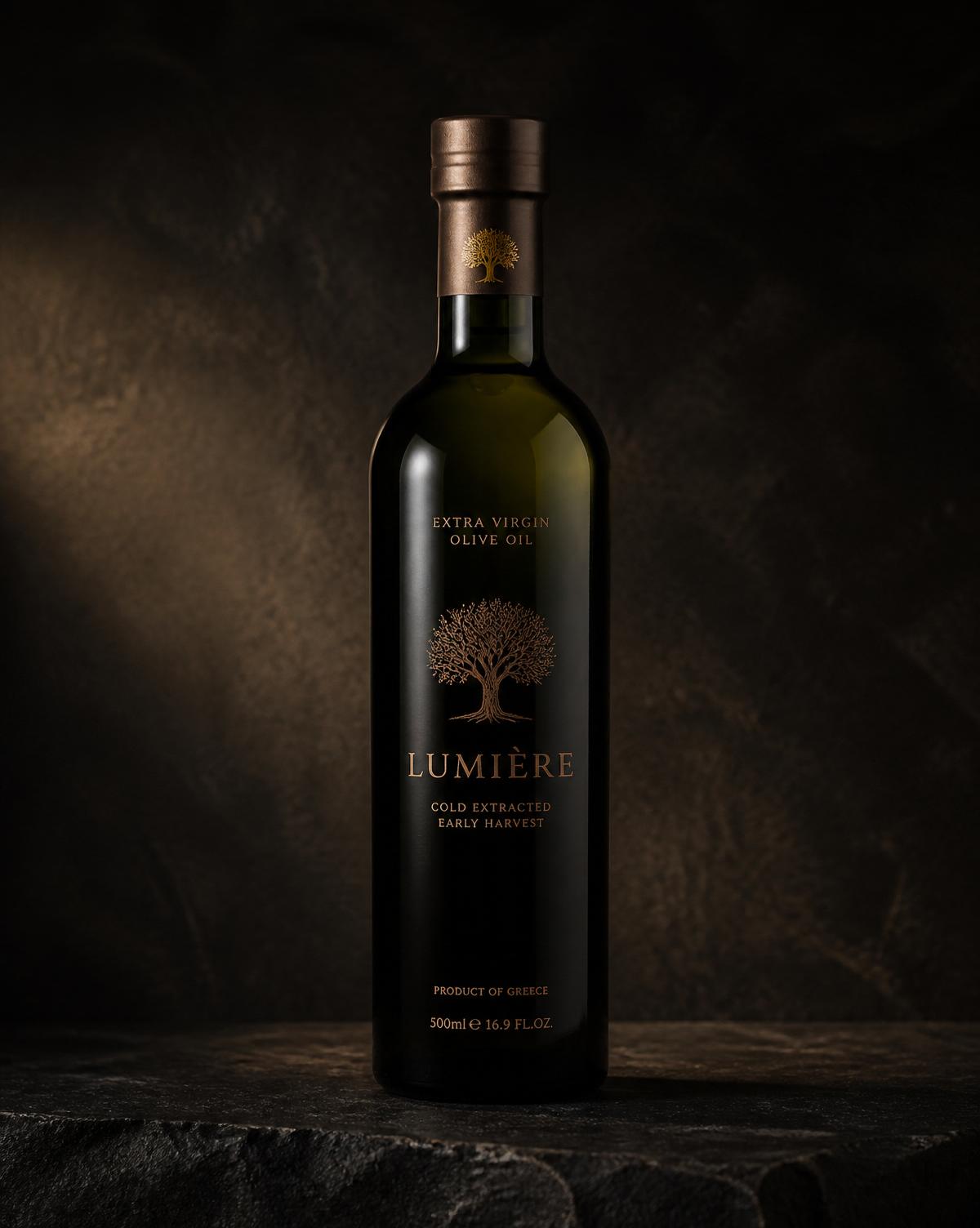 Award winner
Domaine Kalliste
Messenia, Peloponnese · 500 ml
 Monocultivar
Masseria Vento
Puglia, Bari · 500 ml
OrganicFinca La Sierra
Jaén, Andalusia · 500 ml
PDOMoulin de Sainte-Croix
Vallée des Baux, Provence · 500 ml
CollectorDomaine Kalliste
Messenia, Peloponnese · 1.5 L in ceramic

P.J. KABOS
Kalamata, Messenia, Peloponnese · 16.9 fl oz (500 ml) tin × 18 (3 packs of 6)

P.J. KABOS
Kalamata, Messenia, Peloponnese · 16.9 fl oz (500 ml) bottle × 6

P.J. KABOS
Kalamata, Messenia, Peloponnese · 16.9 fl oz (500 ml) tin × 3

Bertolli
Spain, Greece & Tunisia, bottled in Italy · 32 fl oz (946 ml) bottle

Bertolli
Spain, Greece, Tunisia & Italy, bottled in Italy · 50.7 fl oz (1.5 L) bottle

Atlas Olive Oils
Beni-Mellal, Fquih Ben Salah, Moroccan Atlas Mountains · 34 fl oz (1 L) bottle

Soapeauty
USA · 32 fl oz (946 ml) bottle

Soapeauty
USA · 64 fl oz (1.89 L) jug

Soapeauty
USA · 48 fl oz total (3 x 16 fl oz / 473 ml bottles)

Soapeauty
USA · 7 lb (3.17 kg) jug

HOLIVE
Israel · 182.4 fl oz total (6 x 30.4 fl oz / 900 ml tins)

ATSAS
Cyprus · 25.4 fl oz total (3 x 8.45 fl oz / 250 ml bottles)

Garisar
Aegean Coast · 101.4 fl oz total (6 x 16.9 fl oz / 500 ml bottles)

Olio ROI
Liguria · 203 fl oz total (6 x 34 fl oz / 1 L bottles)

Blueprint by Bryan Johnson
California · 50 fl oz total (2 x 750 ml / 25 fl oz glass bottles)

P.J. KABOS
Peloponnese · 16.9 fl oz (500 ml) glass bottle

P.J. KABOS
Peloponnese · 6 × 16.9 fl oz (500 ml) glass bottles

Virgeen
Puglia · 16.9 fl oz (500 ml) glass bottle with gift box

Oleificio Guccione
Sicily · 16.9 fl oz (500 ml) glass bottle with gift box

Baja Precious
Baja California · 4 x 1 gallon (3.785 L each / 15.14 L total)

Armolia
Catalonia · 6 x 16.9 fl oz (500 ml) / 101.4 fl oz total

Lucini
Tuscany & central Italy · 6 x 16.9 fl oz (500 ml) / 101.4 fl oz total

Mr. Papou's
Corinth, Peloponnese · 3 L tin (101.4 fl oz)

Kasandrinos
Lakonia, Peloponnese · 4 x 1 L (33.8 fl oz) bottles

P.J. KABOS
Kalamata, Peloponnese · 6 x 16.9 fl oz (500 ml) glass bottles

Spectrum
Mediterranean blend · 6 x 33.8 fl oz (1 L) bottles

Corto
California · 17 fl oz (500 ml) dark glass bottle

Figaro
Andalusia · 5 L (169 fl oz) plastic jug with handle

Brightland
California Central Coast · 4 x 12.7 fl oz (375 ml) bottles with pour spouts

Corto
California · 2 x 17 fl oz (500 ml) dark glass bottles

Colavita
Mediterranean Blend · 17 fl oz (500 ml) glass bottle

California Olive Ranch
California · 6 x 500ml (16.9 fl oz) glass bottles
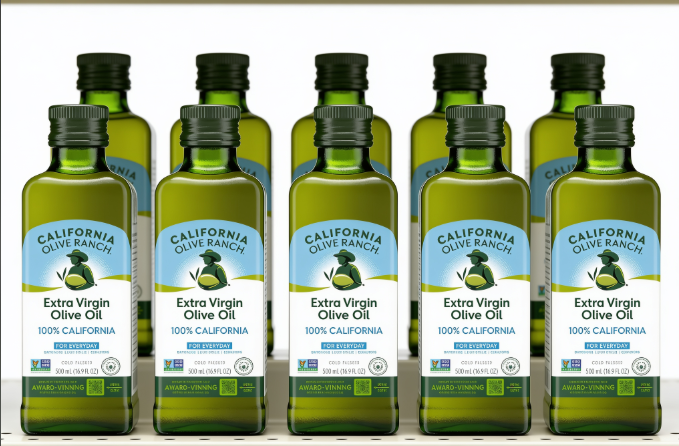 100% California
California Olive Ranch
California · 6 x 500ml (16.9 fl oz) glass bottles

Lucini
Tuscany / Puglia · 6 x 500 ml (16.9 fl oz) glass bottles

Bono
Sicilia PGI · 16.9 fl oz (500 ml) glass bottle

P.J. KABOS
Kalamata, Peloponnese · 16.9 fl oz (500 ml) tin
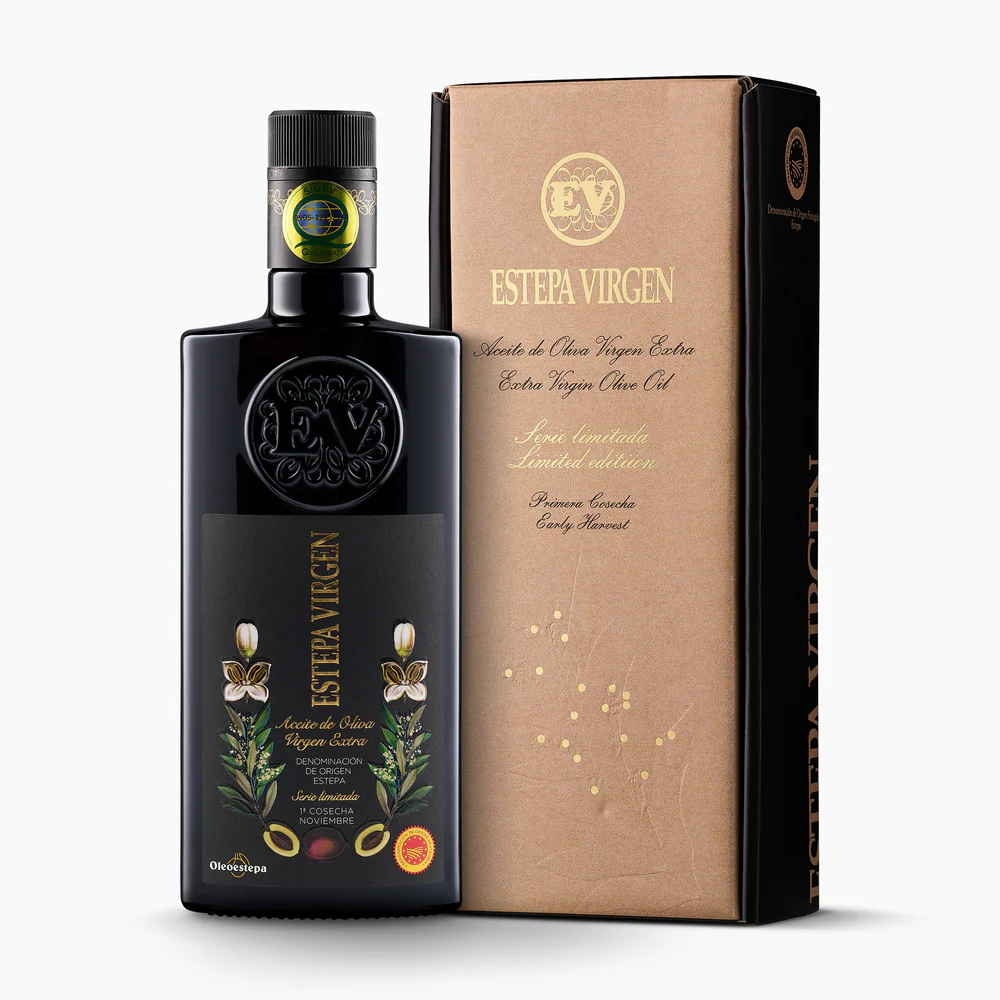 PDO Estepa
Oleoestepa
Estepa PDO, Andalusia · 16.9 fl oz (500 ml) glass bottle with gift box
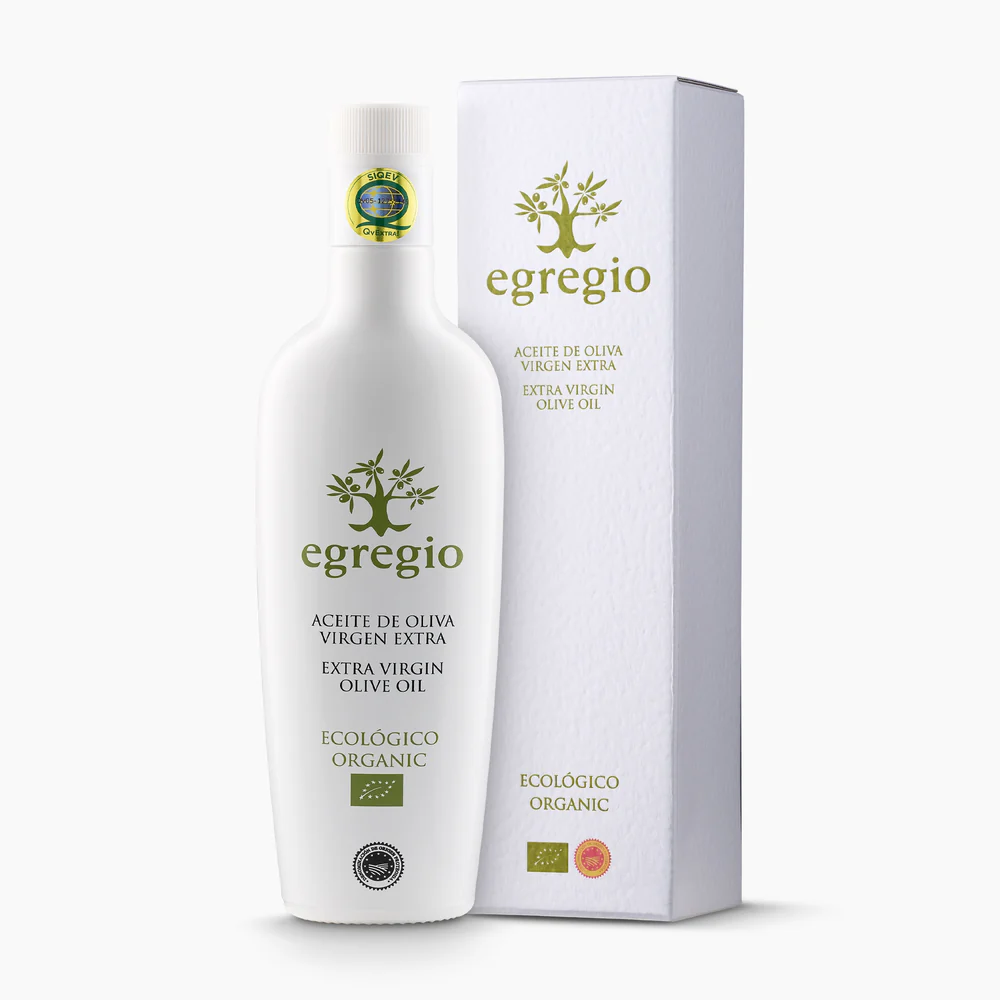 PDO Estepa
Oleoestepa
Estepa PDO, Andalusia · 16.9 fl oz (500 ml) glass bottle with gift box
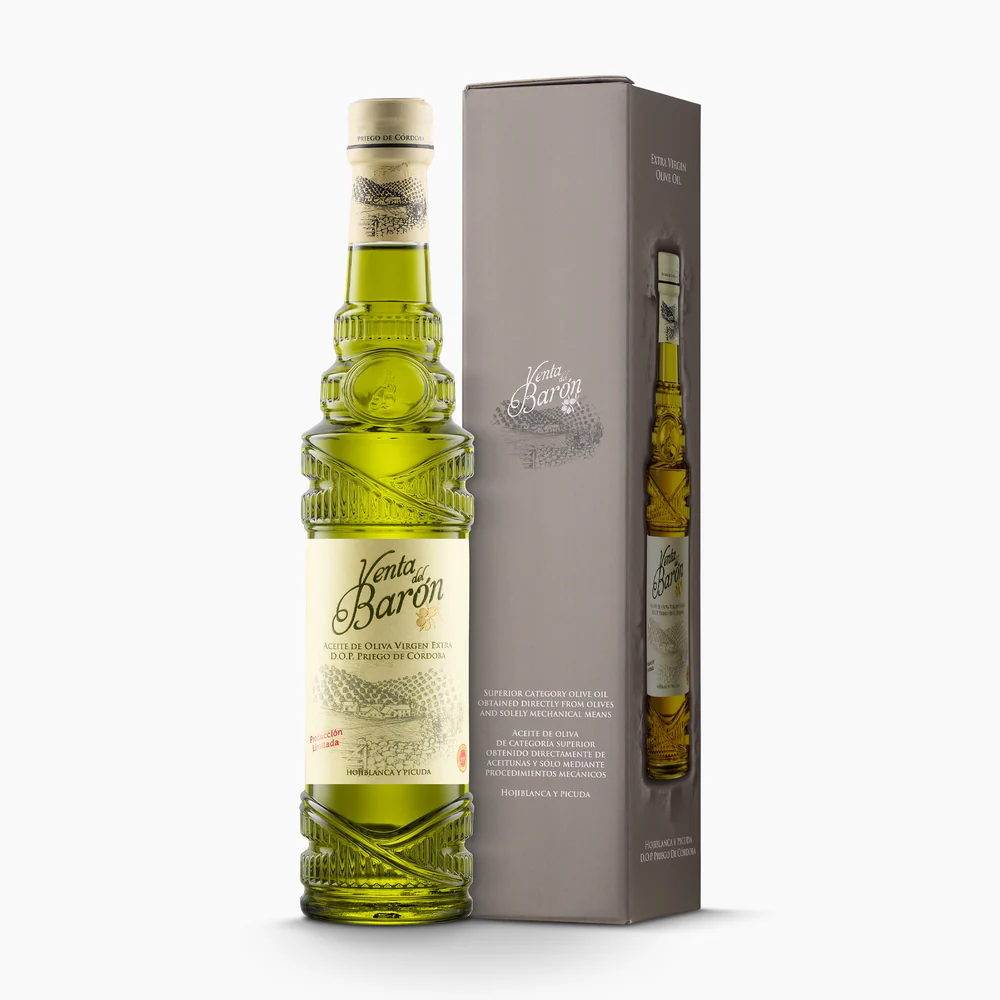 DOP Priego de Córdoba
Venta del Barón
DOP Priego de Córdoba, Andalusia · 16.9 fl oz (500 ml) glass bottle with gift box
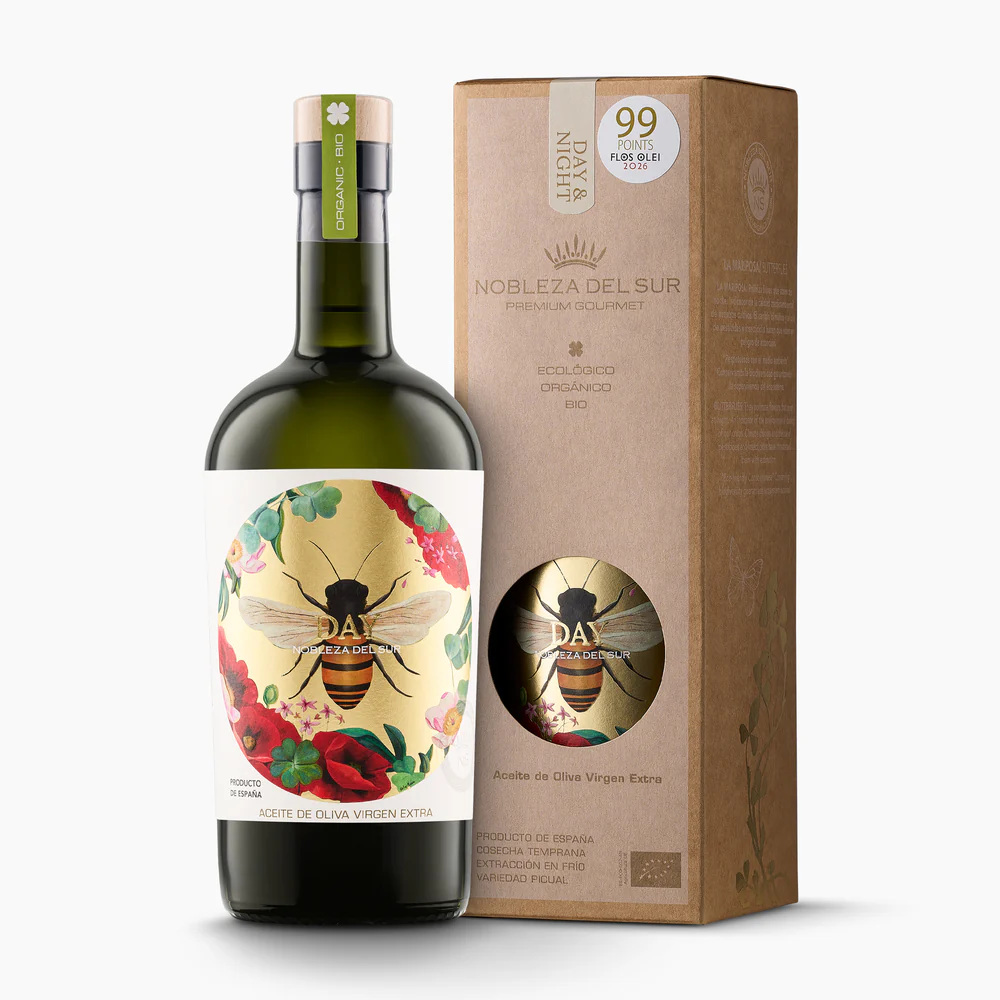 Organic
Nobleza del Sur
Andalusia · 16.9 fl oz (500 ml) glass bottle with gift box
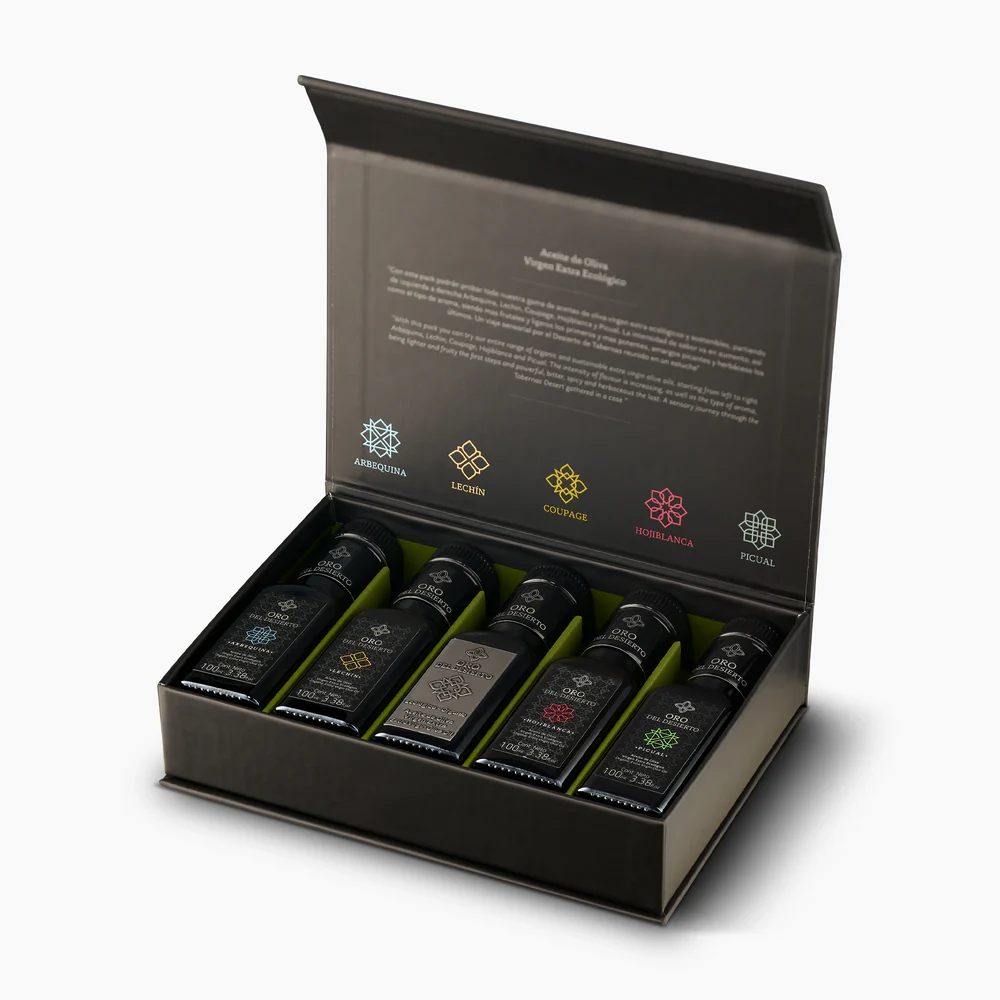 Organic
Oro del Desierto
Tabernas, Almería, Andalusia · 5 × 100 ml (3.38 fl oz) glass bottles in gift box
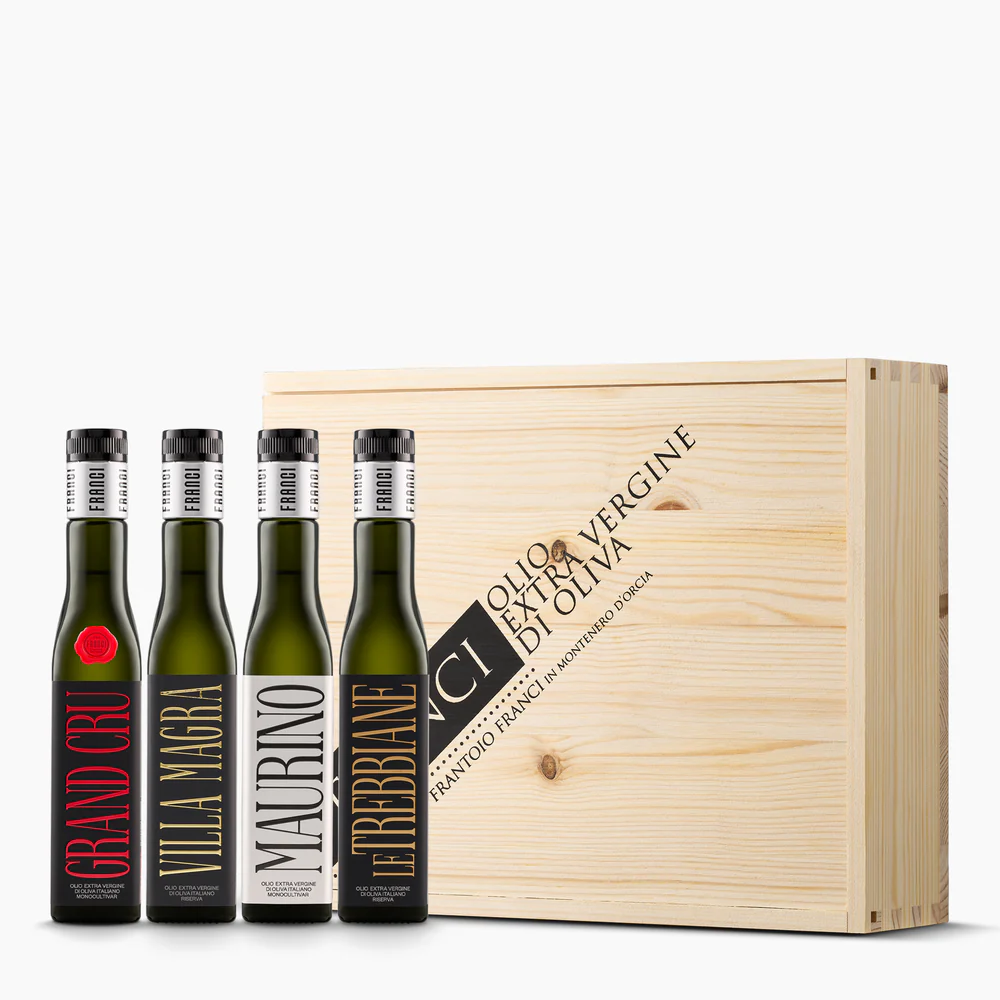 Gift set
Frantoio Franci
Montenero d'Orcia, Tuscany · 4 × 250 ml (8.45 fl oz) glass bottles in wooden gift box
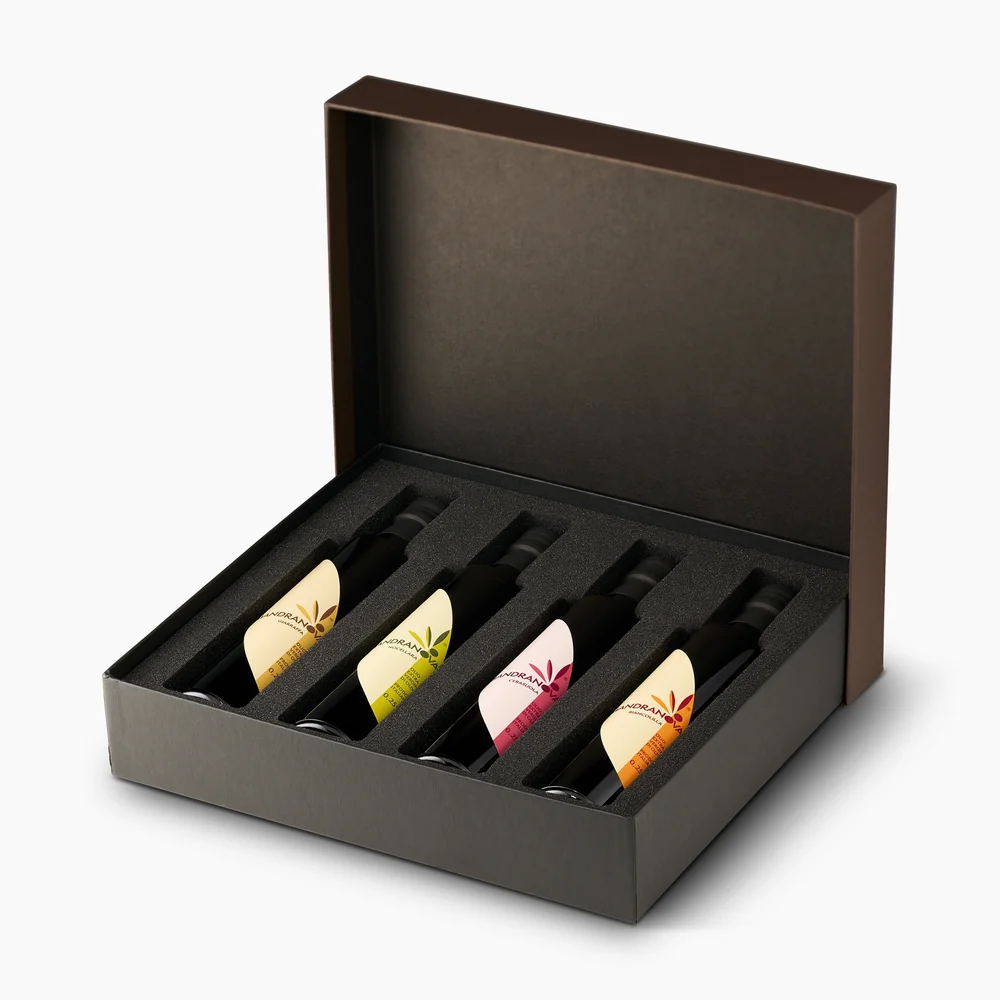 Gift set
Mandranova
Sicily · 4 × 250 ml (8.45 fl oz) glass bottles in gift box
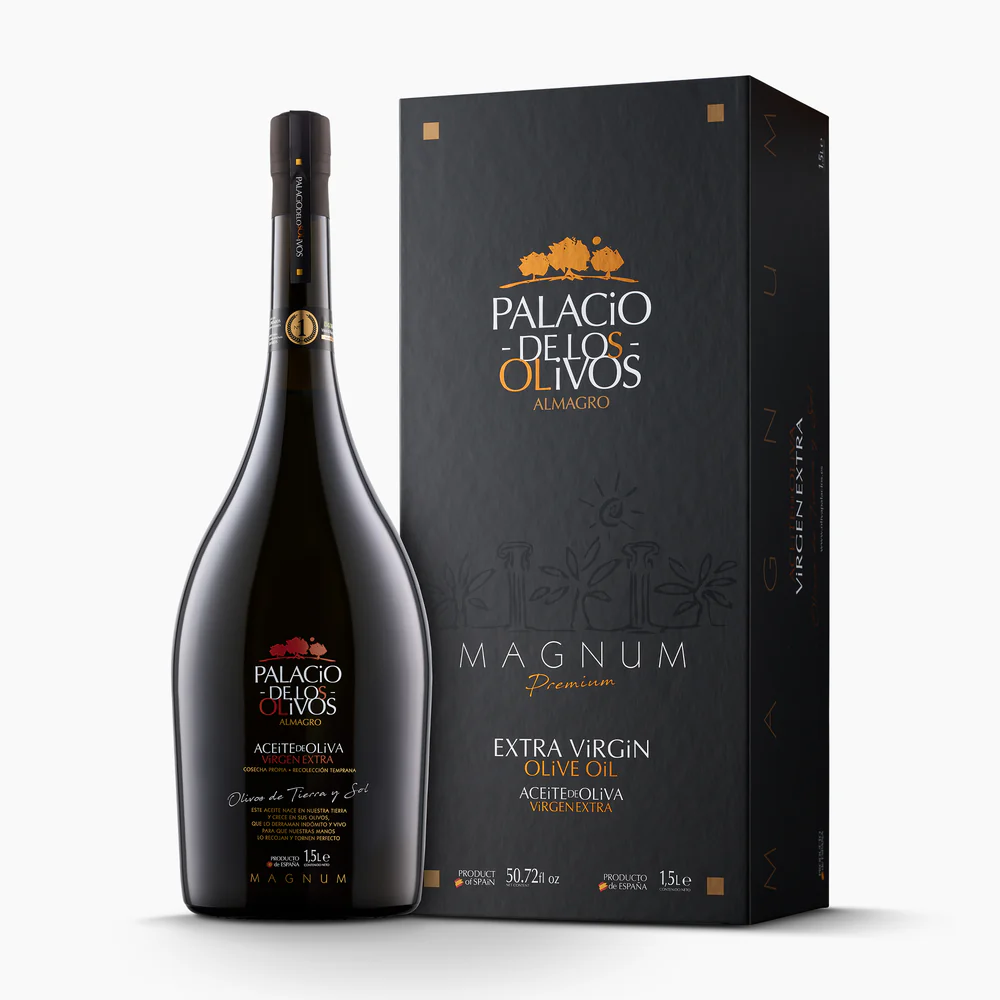 Magnum
Palacio de los Olivos
Castilla-La Mancha · 1.5 L (50.72 fl oz) magnum bottle with gift box
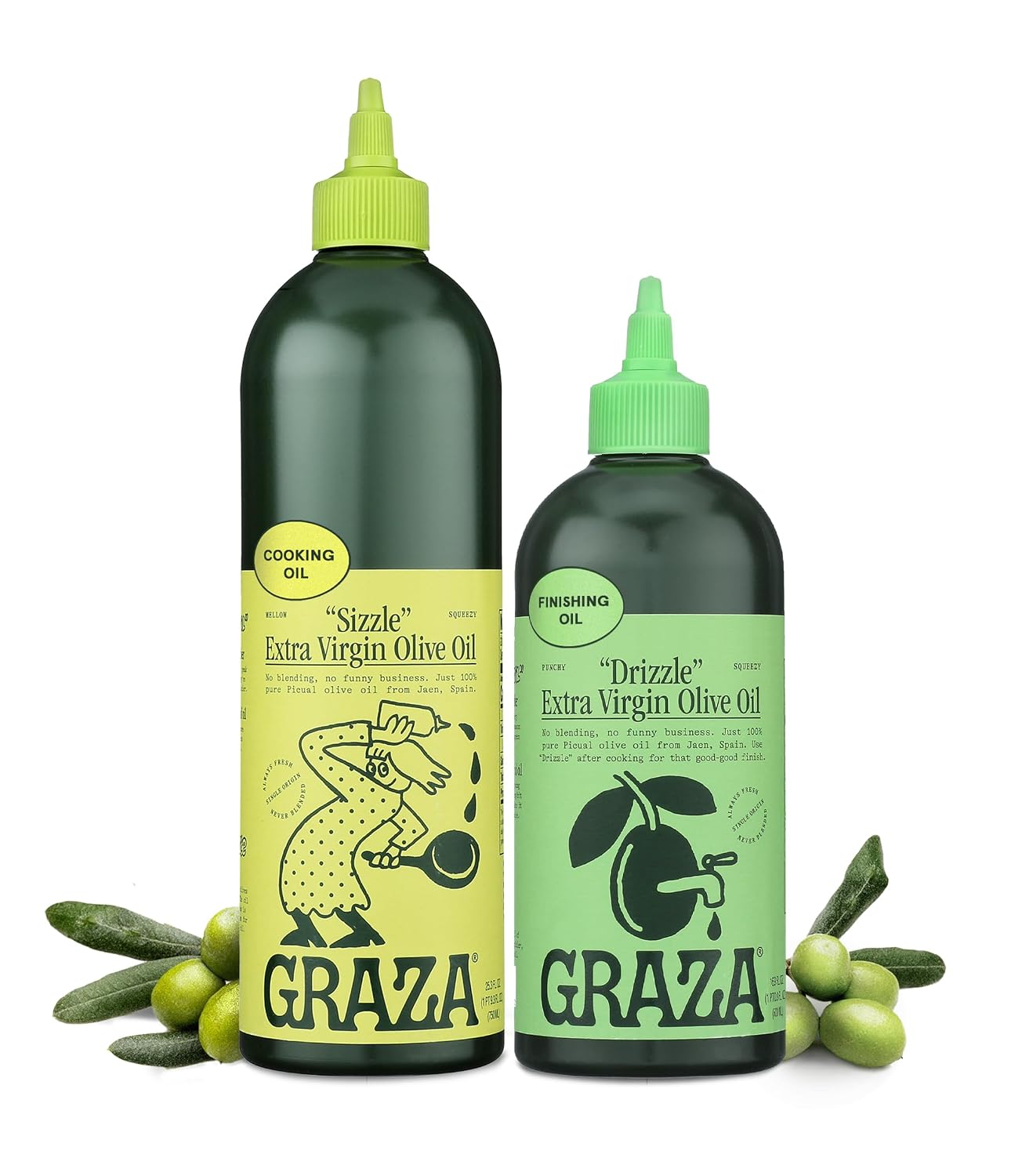
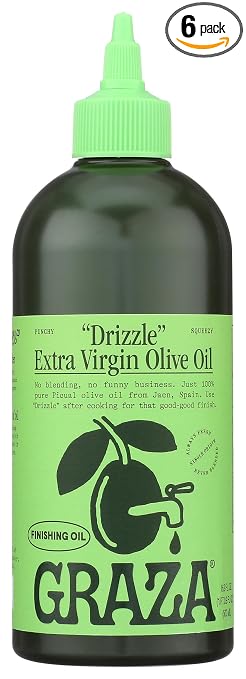 Squeeze bottle
Graza
Andalusia · 6 x 500 mL (16.9 fl oz) squeeze bottles
 Variety pack
Graza
Andalusia · 2 x 500 mL (16.9 fl oz) squeeze bottles
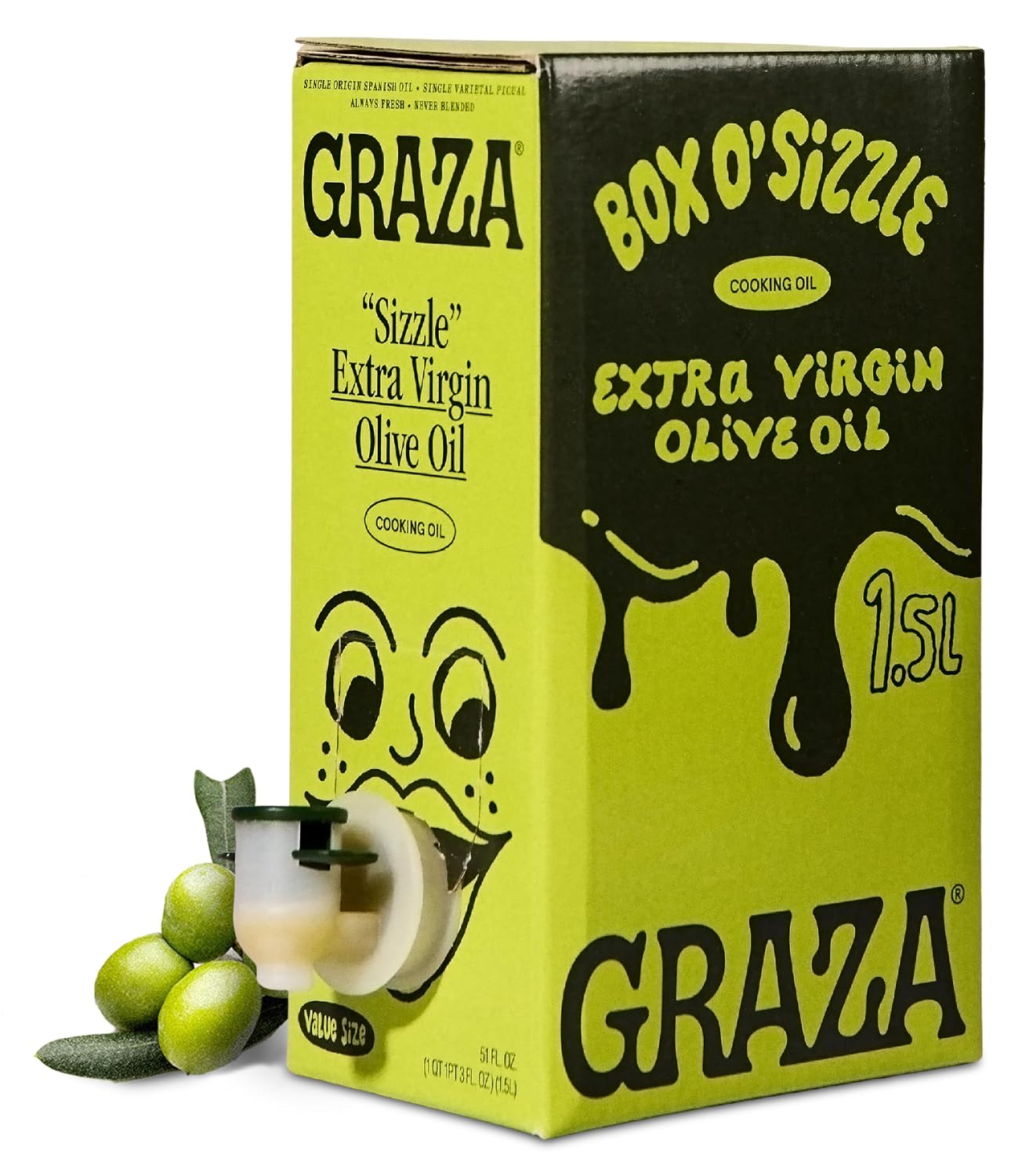 Cooking oil
Graza
Andalusia · 1.5 L (51 fl oz) box
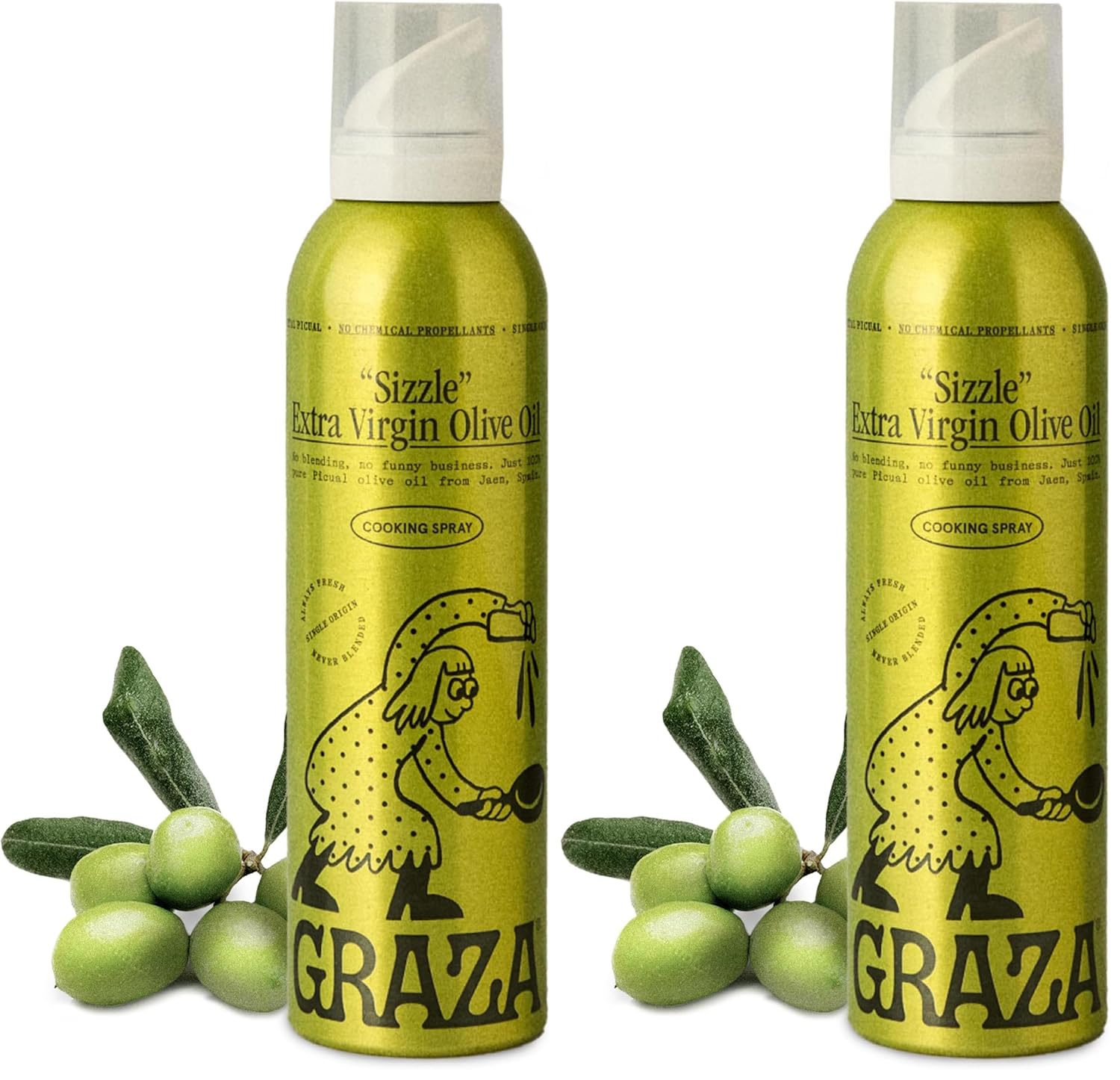 Cooking spray
Graza
Andalusia · 2 x 5 fl oz spray bottles
Extra virgin is a legal category, not a marketing adjective. Under the IOC and USDA grade standards an oil qualifies only if it is obtained from olives by mechanical means alone, has free acidity of no more than 0.8 g per 100 g, and shows zero sensory defects when assessed by a trained panel. In practice, a great deal of oil on North American supermarket shelves sits at the outer edge of that definition — technically compliant, sensorially tired, often a year or more past its harvest.
We work at the other end of the range. The oils below arrive between 0.15% and 0.25% free acidity, with polyphenol counts from 390 to more than 640 mg/kg, and every batch carries a harvest date printed on the label rather than a vague best-before stamp. Where a producer's analysis is more than three months old at bottling, we re-test independently.
Choosing within the category comes down to intensity and use. Delicate oils — Taggiasca, Arbequina, Aglandau — suit raw fish, steamed vegetables, fresh cheese and baking. Medium oils are the everyday workhorses: dressings, roasted vegetables, eggs. Intense oils built on Coratina, Picual or early-harvest Koroneiki carry bitterness and pungency that read as flaws to a new taster and as quality markers to a trained one. Both sensations come from the same phenolic compounds that make the oil worth buying in the first place.
Storage matters more than most buyers expect. Light is the primary enemy, heat the second, oxygen the third. Keep bottles closed, upright, away from the hob, and finish a 500 ml bottle within about three months of opening. An oil that tasted electric in November and flat in June was almost certainly stored badly rather than made badly.
The harvest letter
One letter a month: tasting notes from our own panel, the estates we are visiting, and first refusal on limited single-tank releases.
No spam. Unsubscribe anytime.