 Organic
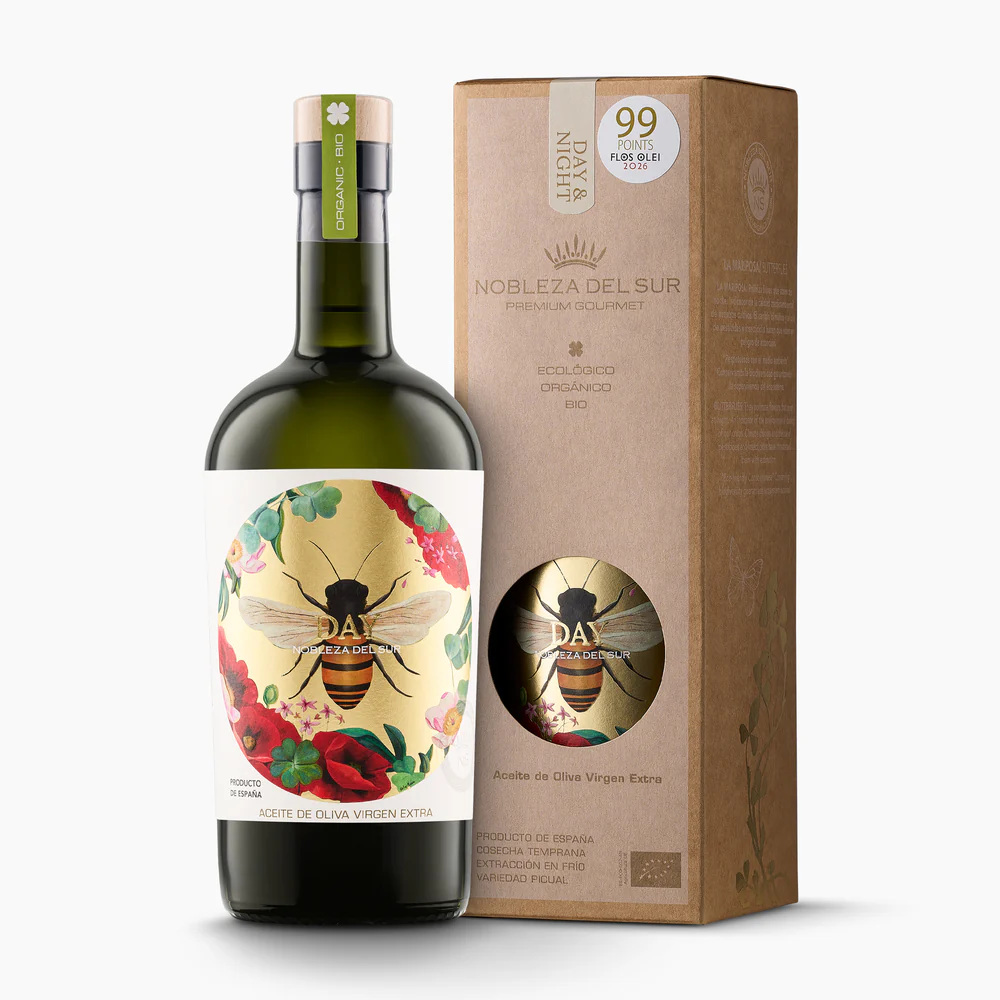
Nobleza del Sur
Nobleza del Sur Organic Day w/ Gift Box
Andalusia · 16.9 fl oz (500 ml) glass bottle with gift box
$25.97$39.9535% off5.0out of 5 from 76 reviews
Measured phenolic content
High-polyphenol olive oil is extra virgin oil with an unusually high concentration of phenolic compounds, the substances responsible for bitterness and the peppery catch at the back of the throat. There is no legal threshold for the phrase; in practice the trade uses roughly 500 mg/kg and above, against a typical supermarket range of 100–250 mg/kg. Phenolic content is driven by cultivar, early picking, fast milling and careful storage — and it falls steadily with age, which is why we publish both the measured figure and the harvest it belongs to.
OrganicNobleza del Sur
Andalusia · 16.9 fl oz (500 ml) glass bottle with gift box
 Collector
Domaine Kalliste
Messenia, Peloponnese · 1.5 L in ceramic
Award winnerDomaine Kalliste
Messenia, Peloponnese · 500 ml

Brightland
California Central Coast · 4 x 12.7 fl oz (375 ml) bottles with pour spouts

P.J. KABOS
Peloponnese · 6 × 16.9 fl oz (500 ml) glass bottles

P.J. KABOS
Kalamata, Peloponnese · 6 x 16.9 fl oz (500 ml) glass bottles

Virgeen
Puglia · 16.9 fl oz (500 ml) glass bottle with gift box

The Governor
Corfu, Ionian Islands · 500 ml × 12 bottles
 DOP Priego de Córdoba
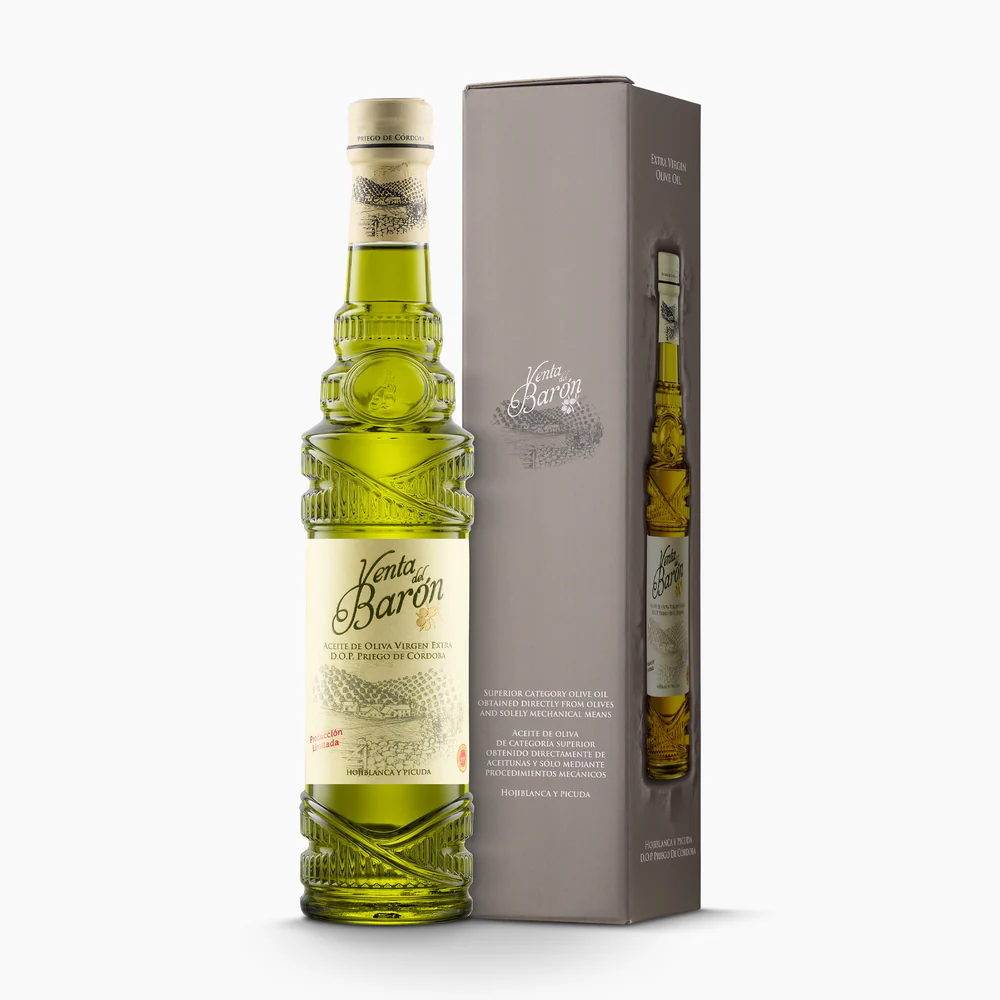
Venta del Barón
DOP Priego de Córdoba, Andalusia · 16.9 fl oz (500 ml) glass bottle with gift box

The Governor
Corfu, Ionian Islands · 500 ml × 12 bottles

HYPERELEON
Peloponnese · 260 ml (8.8 fl oz) × 6 bottles

HYPERELEON
Peloponnese · 260 ml (8.8 fl oz) × 6 bottles
Cultivar first: Koroneiki, Picual, Coratina and Moraiolo run high; Arbequina and Taggiasca run low by nature. Harvest timing second: green fruit picked before full veraison carries far more phenols than ripe black fruit, at the cost of yield.
Then processing — short malaxation at low temperature — and finally storage. Phenols degrade in heat, light and oxygen, so a high figure at bottling is only meaningful alongside a recent harvest date.
Expect assertive bitterness and a pungency that can make new tasters cough. Use it raw where it has something to push against: bean soups, grilled bread, bitter greens, tomatoes, grilled meat and firm cheeses.
The EU permits a health claim for olive oil polyphenols relating to protection of blood lipids from oxidative stress at defined intake levels. We do not make medical claims for any product we sell, and nothing here treats, prevents or cures disease.
The harvest letter
One letter a month: tasting notes from our own panel, the estates we are visiting, and first refusal on limited single-tank releases.
No spam. Unsubscribe anytime.