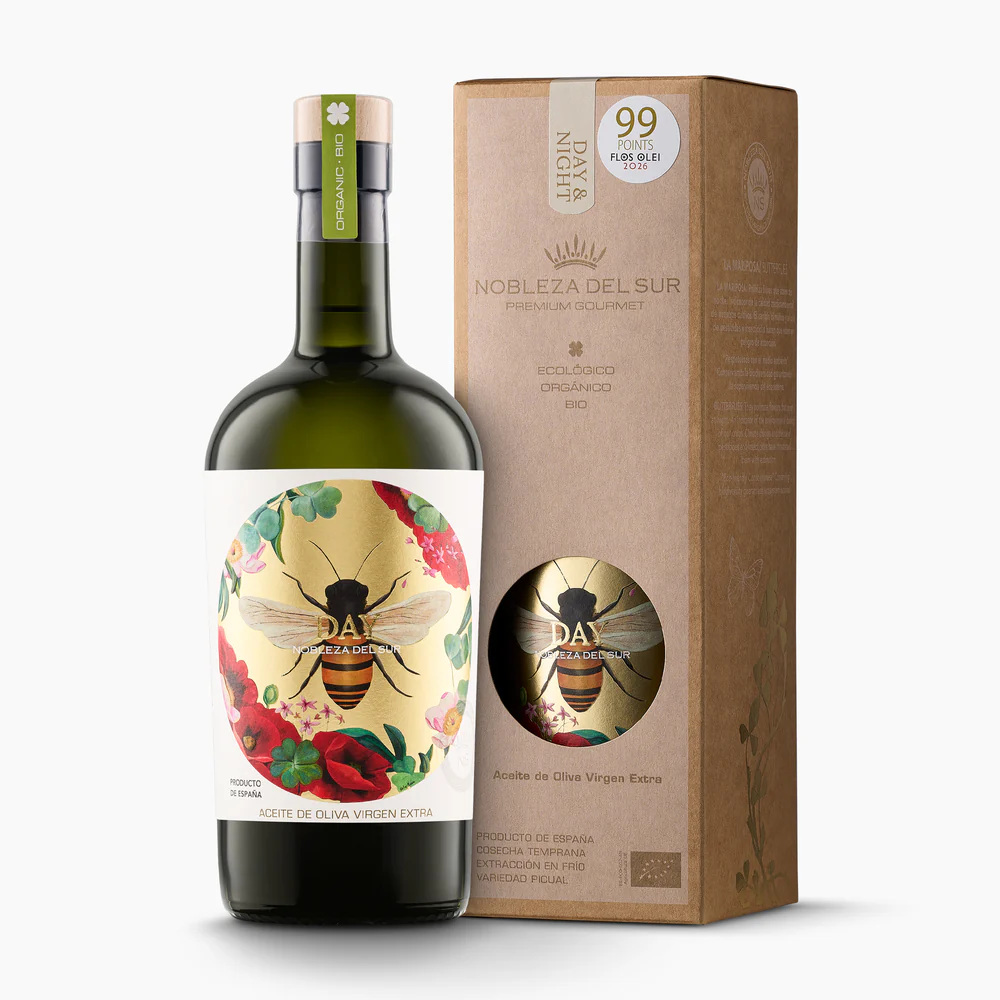
 Organic
Nobleza del Sur
Nobleza del Sur Organic Day w/ Gift Box
Andalusia · 16.9 fl oz (500 ml) glass bottle with gift box
$25.97$39.9535% off5.0out of 5 from 76 reviews
Buy extra virgin olive oil
Extra virgin olive oil is juice pressed from olives by mechanical means alone, with free acidity of 0.8% or less and no sensory defects when assessed by a trained panel. That is the legal floor. The oils on this page sit well inside it: most arrive between 0.15% and 0.30% free acidity, each carries a harvest date rather than a vague best-before stamp, and every lot is tasted before it is listed. If you are buying EVOO for the first time, start with a medium-intensity bottle in a 500 ml dark glass format, use it within three months of opening, and judge it raw on bread before you judge it in a pan.
OrganicNobleza del Sur
Andalusia · 16.9 fl oz (500 ml) glass bottle with gift box
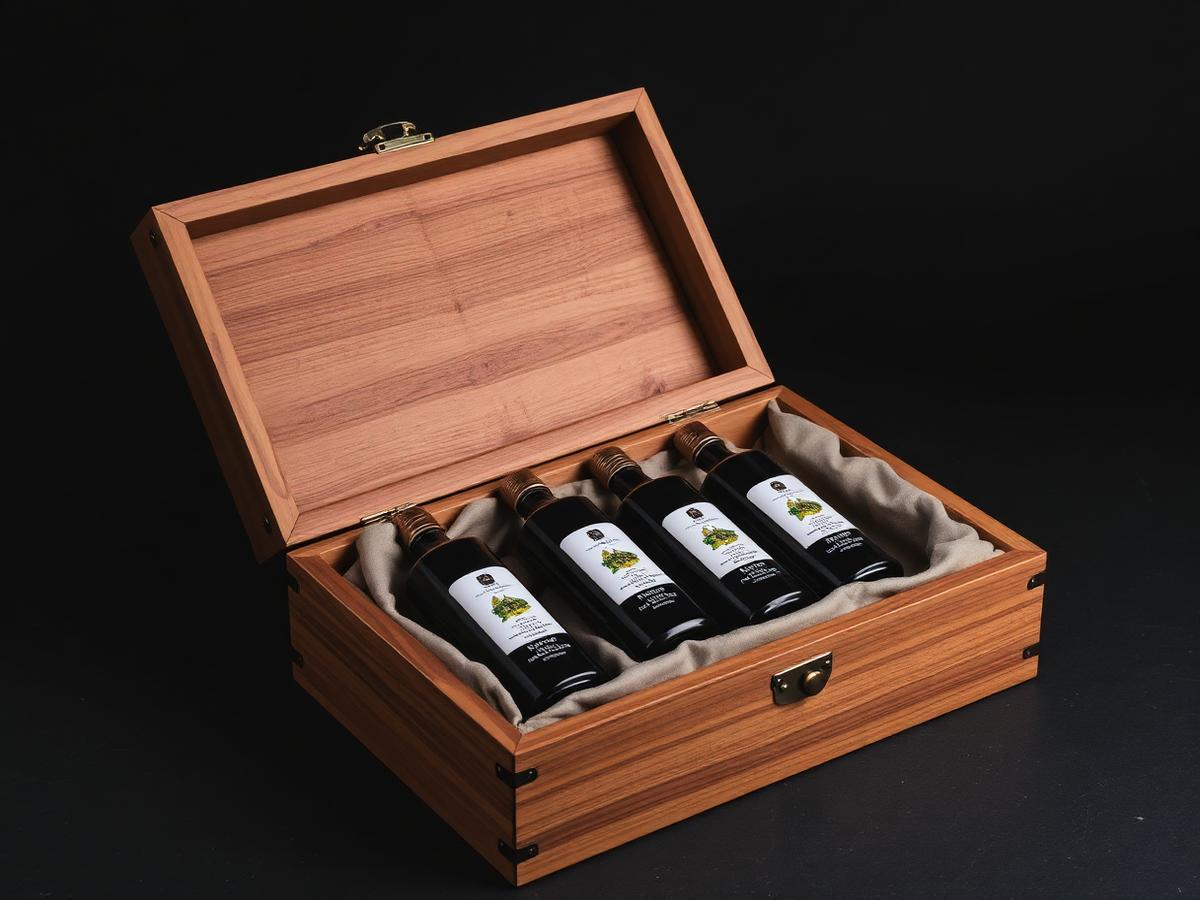 Gift
GiftOlivePrestige Atelier
Four estates, four countries · 4 × 250 ml
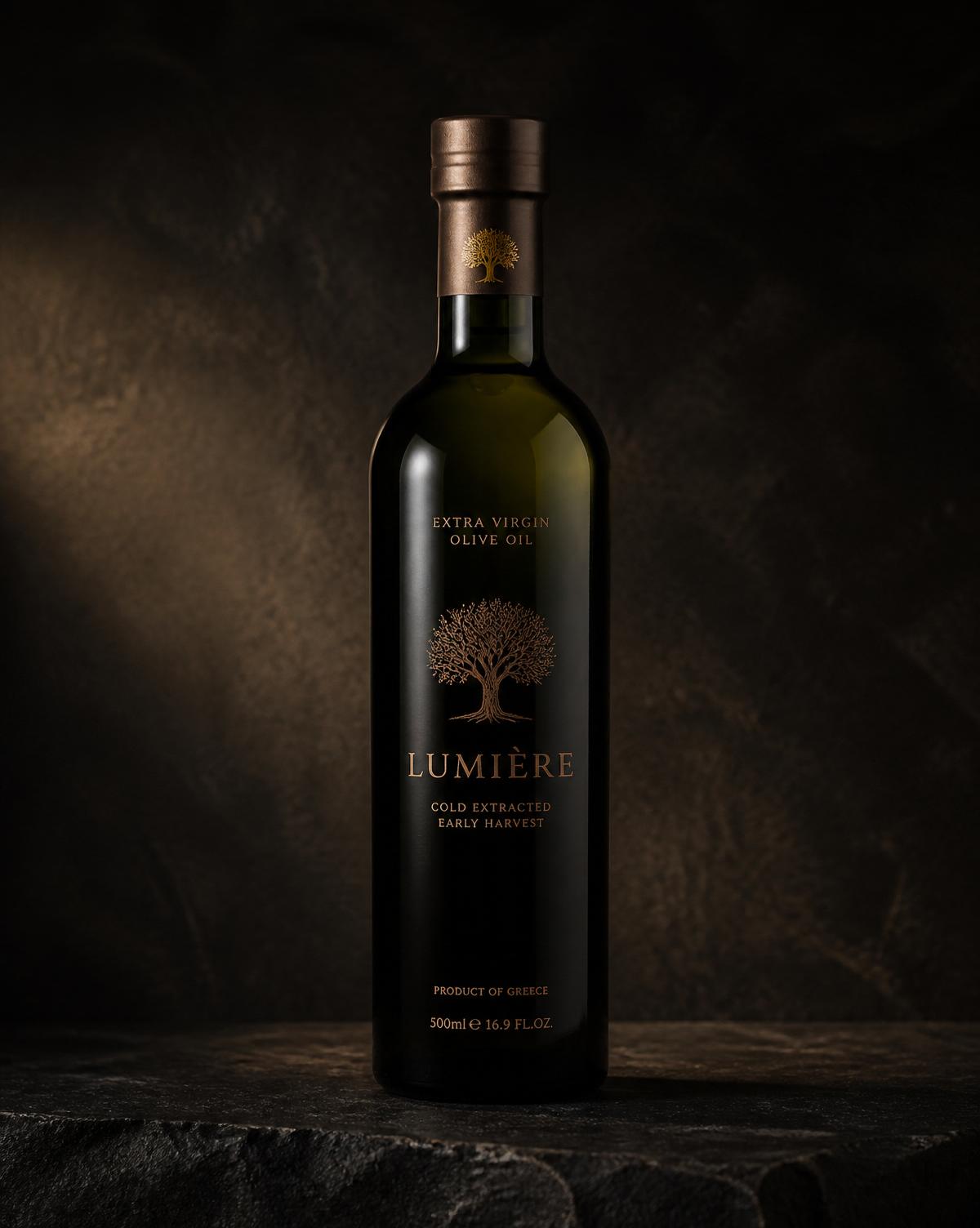 Collector
Domaine Kalliste
Messenia, Peloponnese · 1.5 L in ceramic
Award winnerDomaine Kalliste
Messenia, Peloponnese · 500 ml

Brightland
California Central Coast · 4 x 12.7 fl oz (375 ml) bottles with pour spouts

P.J. KABOS
Peloponnese · 6 × 16.9 fl oz (500 ml) glass bottles

P.J. KABOS
Kalamata, Peloponnese · 6 x 16.9 fl oz (500 ml) glass bottles

Virgeen
Puglia · 16.9 fl oz (500 ml) glass bottle with gift box

The Governor
Corfu, Ionian Islands · 500 ml × 12 bottles
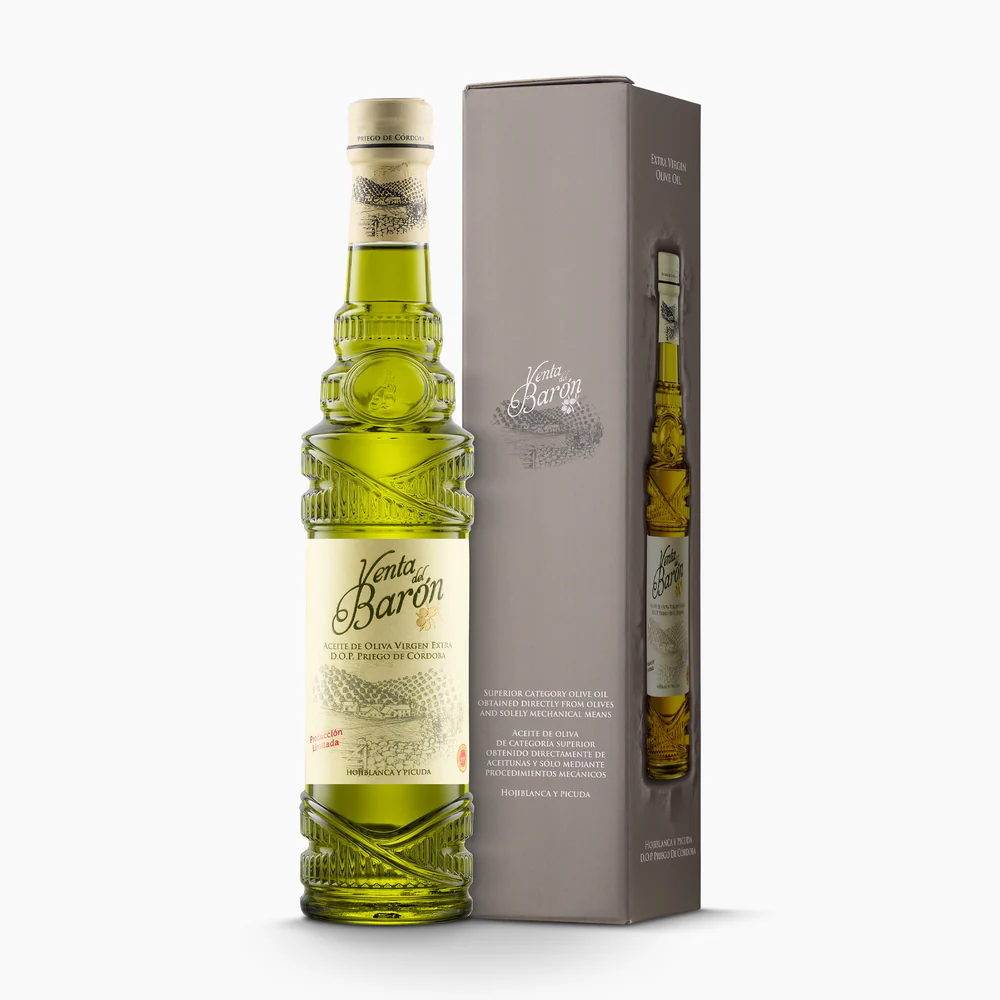 DOP Priego de Córdoba
Venta del Barón
DOP Priego de Córdoba, Andalusia · 16.9 fl oz (500 ml) glass bottle with gift box

The Governor
Corfu, Ionian Islands · 500 ml × 12 bottles

HYPERELEON
Peloponnese · 260 ml (8.8 fl oz) × 6 bottles
Grade is decided by chemistry and by a panel. Chemistry sets the boundary — free acidity, peroxide value, UV absorbance — and the panel decides whether the oil actually tastes like fruit rather than like the tank it sat in. An oil can pass every chemical test and still fail sensory assessment for fustiness, winey-vinegary or muddy-sediment defects.
Freshness is not part of the grade, which is why harvest date matters more than the category name on the label. An oil bottled from a two-year-old tank is still legally extra virgin the day it is filled. We publish the harvest on every product page and prefer the current or previous crop year.
Delicate oils suit raw fish, fresh cheese, steamed vegetables and baking. Medium oils are the everyday choice for dressings, eggs and roasted vegetables. Intense oils built on Coratina, Picual or early Koroneiki carry bitterness and a peppery catch at the back of the throat — both are phenolic signals, not faults.
Bottle size should match how fast you cook. A household finishing one 500 ml bottle a month is better served by two fresh 500 ml bottles than by one three-litre tin that spends half a year open.
The harvest letter
One letter a month: tasting notes from our own panel, the estates we are visiting, and first refusal on limited single-tank releases.
No spam. Unsubscribe anytime.