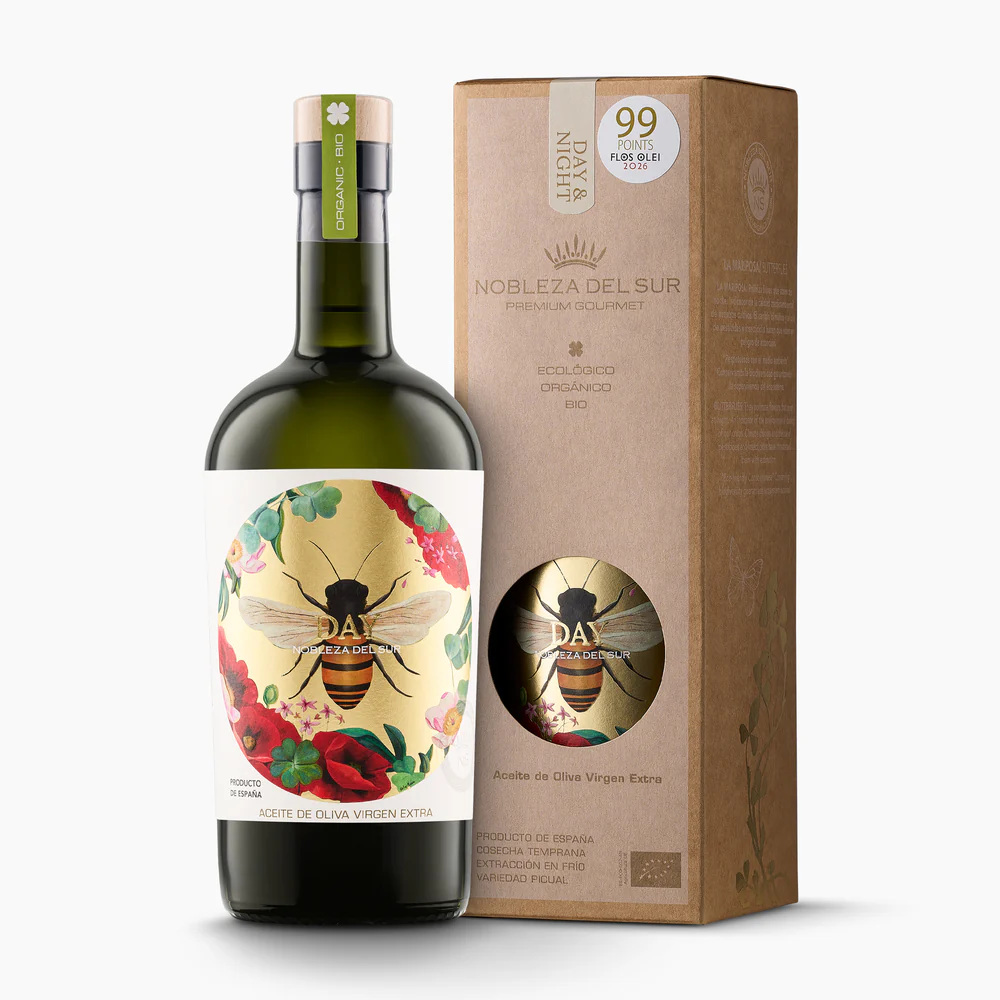
 Organic
Nobleza del Sur
Nobleza del Sur Organic Day w/ Gift Box
Andalusia · 16.9 fl oz (500 ml) glass bottle with gift box
$25.97$39.9535% off5.0out of 5 from 76 reviews
One country, one region
Single-origin olive oil comes from one declared country, and usually one region within it, rather than from the multi-country blends that fill most supermarket shelves. The phrase "packed in Italy" on a label often describes bottling, not growing; a single-origin bottle names where the fruit was grown. That matters for flavor, because region drives cultivar, and cultivar drives taste more than almost anything else. It also matters for accountability: an origin you can name is an origin you can question.
OrganicNobleza del Sur
Andalusia · 16.9 fl oz (500 ml) glass bottle with gift box
 Collector
Domaine Kalliste
Messenia, Peloponnese · 1.5 L in ceramic
Award winnerDomaine Kalliste
Messenia, Peloponnese · 500 ml

Brightland
California Central Coast · 4 x 12.7 fl oz (375 ml) bottles with pour spouts

P.J. KABOS
Peloponnese · 6 × 16.9 fl oz (500 ml) glass bottles

P.J. KABOS
Kalamata, Peloponnese · 6 x 16.9 fl oz (500 ml) glass bottles

Virgeen
Puglia · 16.9 fl oz (500 ml) glass bottle with gift box

The Governor
Corfu, Ionian Islands · 500 ml × 12 bottles
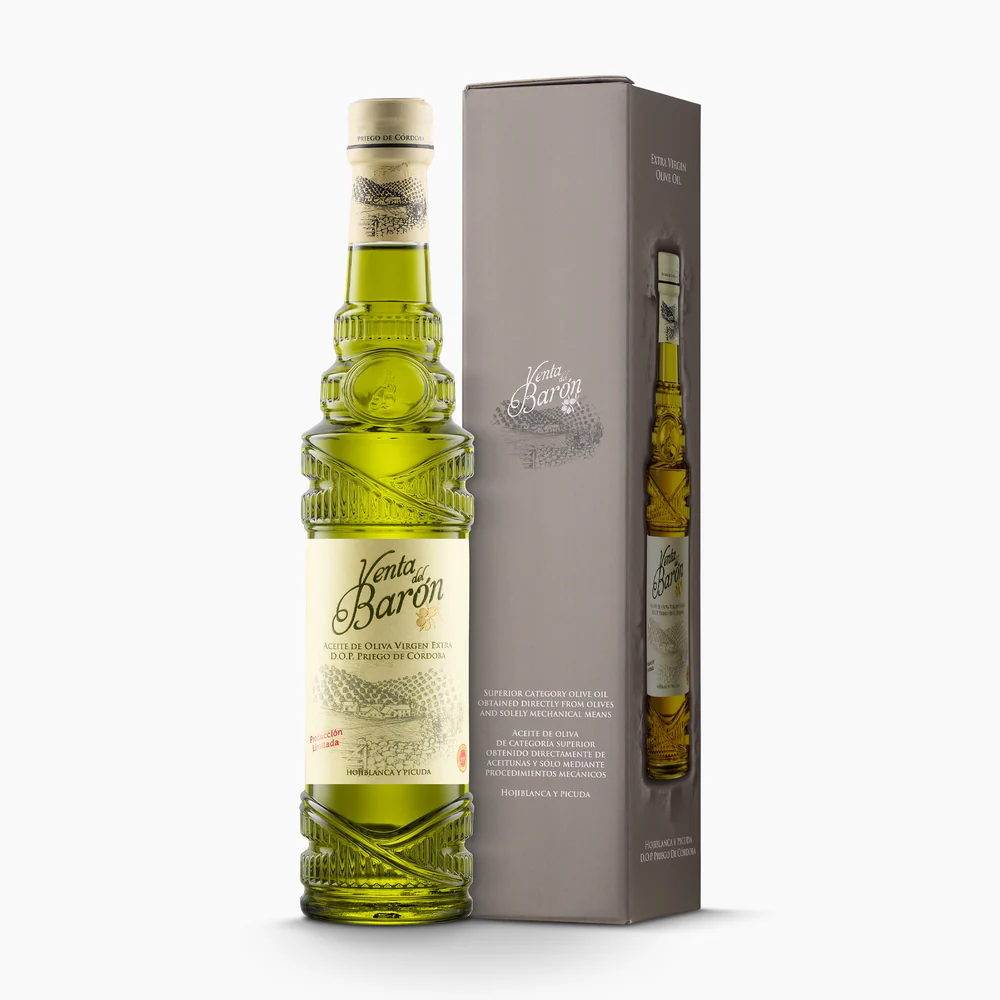 DOP Priego de Córdoba
Venta del Barón
DOP Priego de Córdoba, Andalusia · 16.9 fl oz (500 ml) glass bottle with gift box

The Governor
Corfu, Ionian Islands · 500 ml × 12 bottles

HYPERELEON
Peloponnese · 260 ml (8.8 fl oz) × 6 bottles

HYPERELEON
Peloponnese · 260 ml (8.8 fl oz) × 6 bottles
US labels must declare the country of origin, but blends may list several countries in small type on the back. If the front says one country and the back lists four, the back is the accurate statement.
PDO and PGI marks go further, tying the oil to a defined European zone with an inspection regime behind it.
Andalusian Picual gives tomato leaf and a firm bitter finish. Peloponnese Koroneiki reads herbal and peppery. Tuscan blends lean green and artichoke-like. Ligurian Taggiasca is soft and almond-sweet. Those are cultivar and climate signatures, not marketing.
The harvest letter
One letter a month: tasting notes from our own panel, the estates we are visiting, and first refusal on limited single-tank releases.
No spam. Unsubscribe anytime.