 Organic
Nobleza del Sur
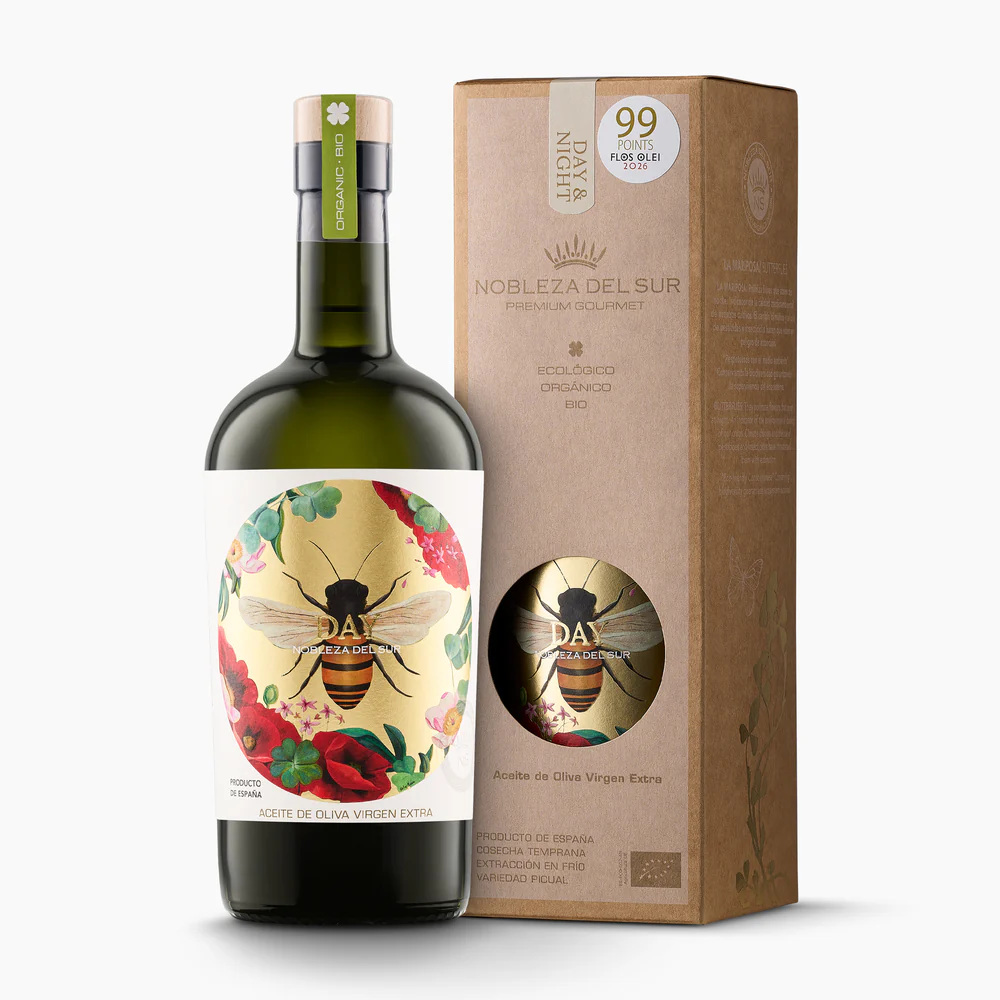
Nobleza del Sur Organic Day w/ Gift Box
Andalusia · 16.9 fl oz (500 ml) glass bottle with gift box
$25.97$39.9535% off5.0out of 5 from 76 reviews
One grove, one mill
Single-estate olive oil is pressed from fruit grown on one property and milled at one press, so the oil can be traced to a named producer, a set of groves and a single season. That traceability is the point. A blend can be excellent, but it averages away the year and the site; an estate oil records both, which is why the same estate tastes recognizably different from one harvest to the next. Expect a named cultivar or cultivar mix, a harvest window measured in weeks, and analysis tied to that specific lot.
OrganicNobleza del Sur
Andalusia · 16.9 fl oz (500 ml) glass bottle with gift box
 Gift
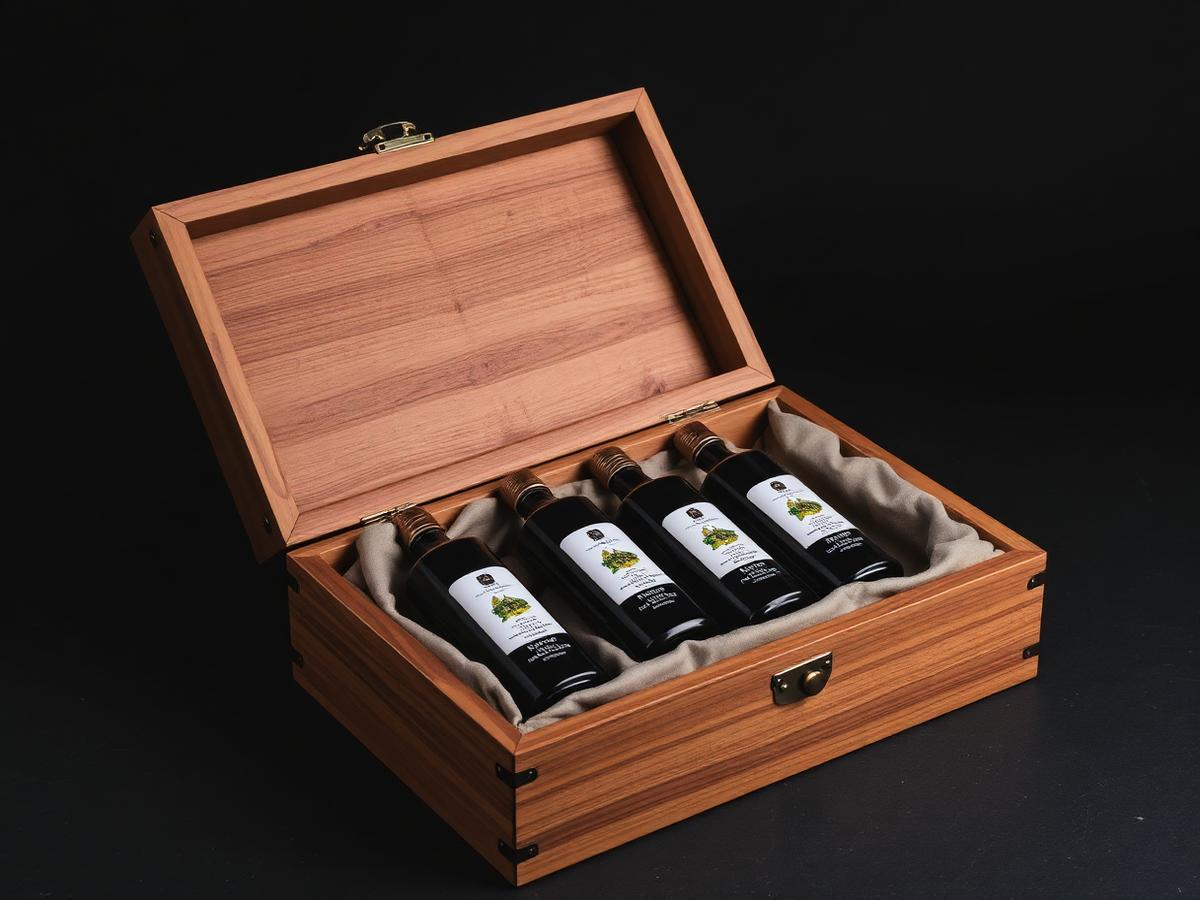
GiftOlivePrestige Atelier
Four estates, four countries · 4 × 250 ml
 Collector
Domaine Kalliste
Messenia, Peloponnese · 1.5 L in ceramic
Award winnerDomaine Kalliste
Messenia, Peloponnese · 500 ml

Brightland
California Central Coast · 4 x 12.7 fl oz (375 ml) bottles with pour spouts

Virgeen
Puglia · 16.9 fl oz (500 ml) glass bottle with gift box

The Governor
Corfu, Ionian Islands · 500 ml × 12 bottles
 DOP Priego de Córdoba
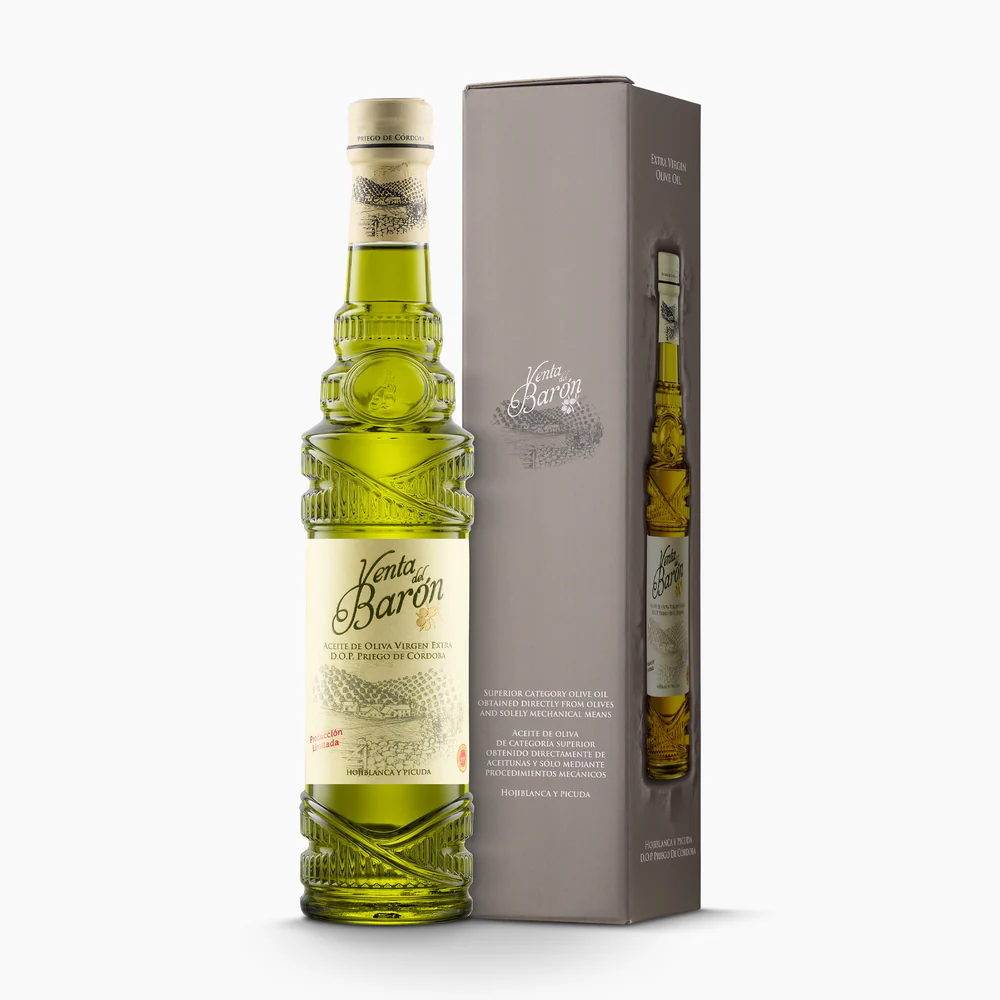
Venta del Barón
DOP Priego de Córdoba, Andalusia · 16.9 fl oz (500 ml) glass bottle with gift box

The Governor
Corfu, Ionian Islands · 500 ml × 12 bottles

HYPERELEON
Peloponnese · 260 ml (8.8 fl oz) × 6 bottles

HYPERELEON
Peloponnese · 260 ml (8.8 fl oz) × 6 bottles
 PDO
PDOMoulin de Sainte-Croix
Vallée des Baux, Provence · 500 ml
Large blends are engineered for consistency: the buyer wants this year's bottle to taste like last year's. Estate oils are the opposite bargain — you accept variation in exchange for character and provenance.
Neither is inherently better. If you cook the same dish weekly and want predictability, a good blend serves you. If you want to taste a place, buy the estate.
A recall or a quality question can be traced to a lot. A flavor you liked can be repeated by buying the same estate next season. And a producer whose name is on the bottle has a reason to pick early and mill fast.
The harvest letter
One letter a month: tasting notes from our own panel, the estates we are visiting, and first refusal on limited single-tank releases.
No spam. Unsubscribe anytime.