Olive Oil Flavor Profiles by Cultivar
Clara Ortega · Andalusian sourcing partner, Picual specialist · Updated 2026-07-16
Cultivar decides more about how an olive oil tastes than country, price or packaging. Picual gives tomato leaf and firm bitterness; Koroneiki is herbal and peppery; Coratina is the most bitter of the common varieties; Arbequina is soft, fruity and almond-like; Taggiasca is delicate and sweet; Frantoio and Moraiolo give the green, artichoke-scented Tuscan style. Harvest timing shifts each of these along one axis — green and bitter when picked early, ripe and mellow when picked late — but it does not turn one cultivar into another.
Robust cultivars
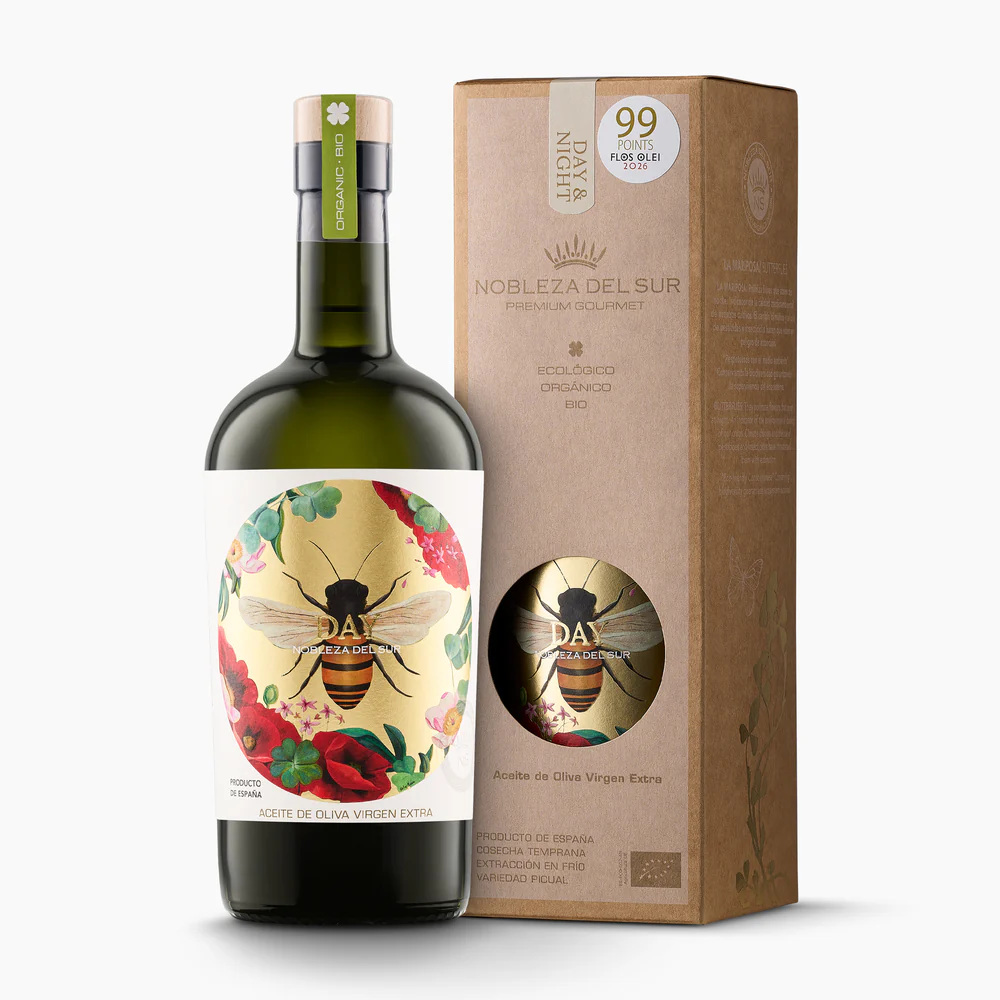
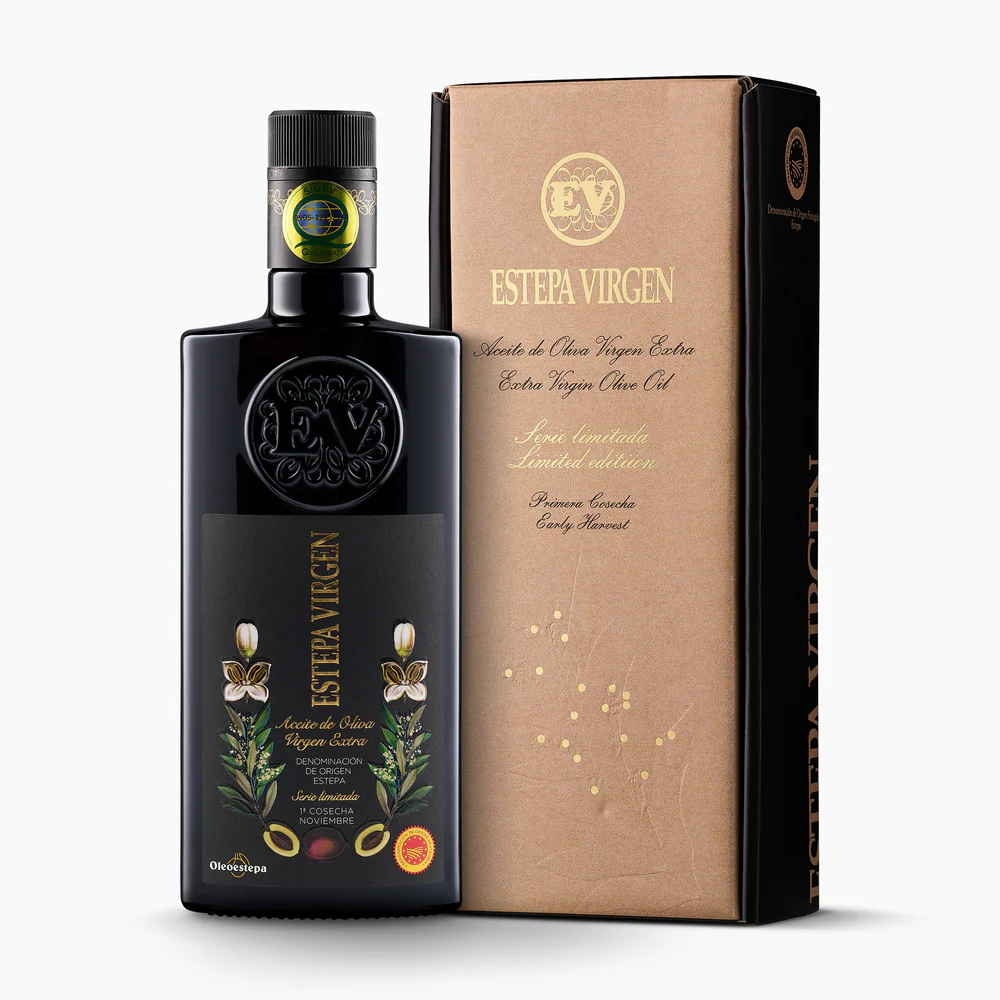
Coratina (Puglia): very bitter, high phenols, green almond. Picual (Andalusia): tomato leaf, fig leaf, long pepper. Koroneiki (Greece): grass, green tea, sharp throat catch. Moraiolo (Tuscany, Umbria): artichoke and pepper.
Use these raw on food with weight: legumes, grilled meat, bitter greens, bread.
Delicate cultivars
Arbequina (Catalonia, California): apple, banana, almond, low bitterness. Taggiasca (Liguria): pine nut, soft sweetness. Aglandau (Provence): green apple, hay, restrained pepper.
Use these where the food is quiet: raw fish, fresh cheese, steamed vegetables, cakes.
Frequently asked questions
- Which olive oil cultivar is mildest?
- Arbequina and Taggiasca are the mildest widely available cultivars, both low in bitterness and pungency.
- Which cultivar is strongest?
- Coratina is generally the most bitter and phenol-rich of the common commercial cultivars, with early-harvest Picual and Koroneiki close behind.
About the author
Clara Ortega — Andalusian sourcing partner, Picual specialist. Clara grew up in a Jaén almazara family and now negotiates our Spanish contracts. She can tell a Picual from a Hojiblanca blind, and usually the province too.