How to Tell If Olive Oil Is Fresh
Élodie Marchand · Head of Sourcing, IOC-trained panel taster · Updated 2026-08-04
Check the harvest date, then trust your nose. Fresh extra virgin smells of something alive — cut grass, green tomato, apple, artichoke. Oil past its best smells of nothing much, or of crayons, putty and stale nuts, which is rancidity. A fresh robust oil still catches in the throat; an old one has lost the catch along with the aroma. Clear glass, a warm shelf and a missing harvest date each raise the odds that the bottle in front of you is tired. Color tells you nothing at all.
The five checks
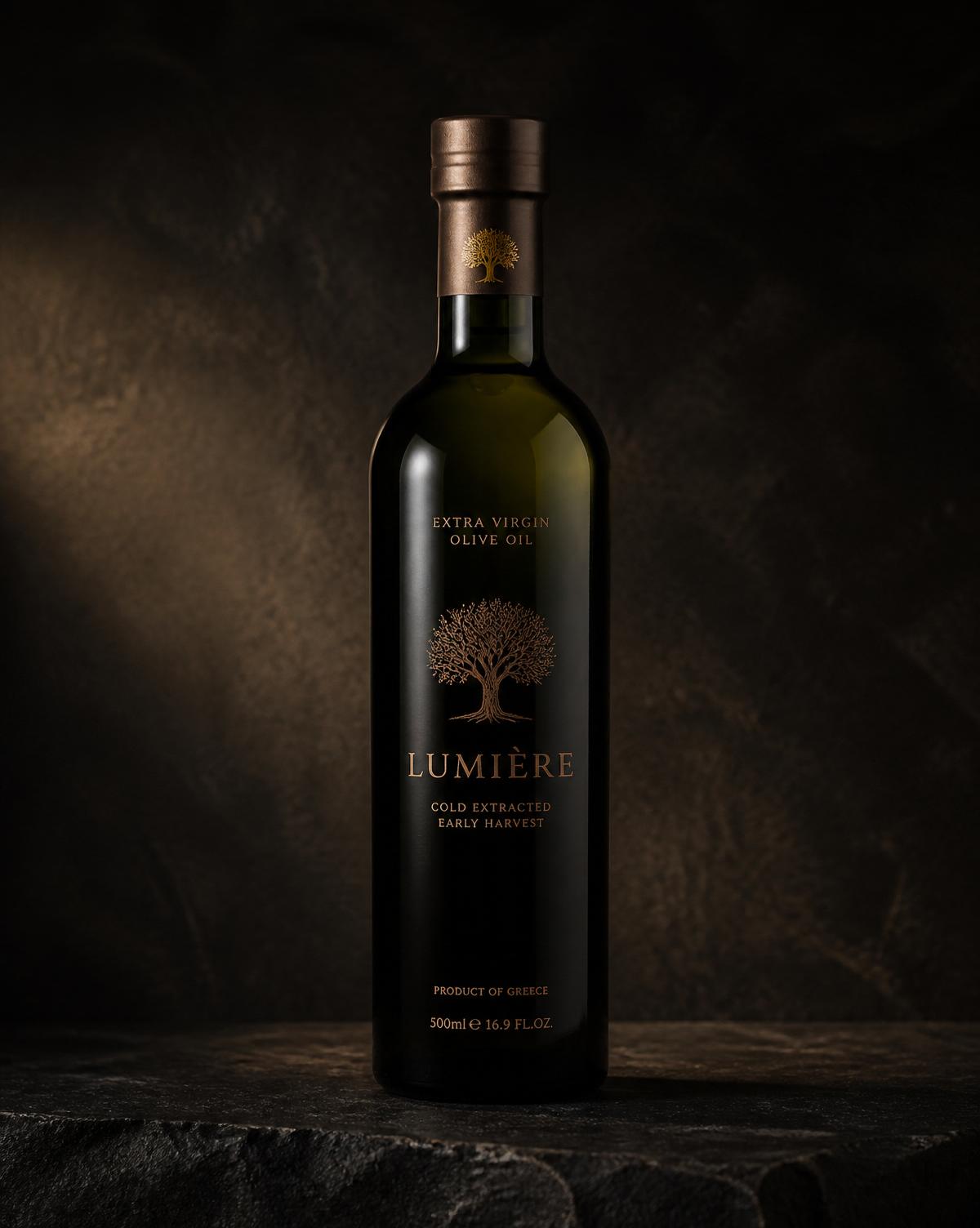
1. Harvest date within the last 12–18 months. 2. Aroma of fresh fruit rather than nothing. 3. A bitter middle and peppery finish, if the cultivar should have them. 4. Dark glass, tin or bag-in-box. 5. Storage away from light and heat, in the store as well as your kitchen.
What rancid tastes like
Crayons, old walnuts, putty, wet cardboard. It is not dangerous, but it is the flavor most Americans have unknowingly accepted as normal olive oil. Once you can identify it you will notice it in restaurants constantly.
Frequently asked questions
- Can you tell olive oil quality by color?
- No. Professional panels taste from opaque blue glasses specifically to remove color bias. Green oil is not automatically fresher than gold.
- Is rancid olive oil dangerous?
- It is not a food-safety hazard in normal use, but it tastes bad and its antioxidants are largely gone. Replace it.
About the author
Élodie Marchand — Head of Sourcing, IOC-trained panel taster. Élodie buys every oil OlivePrestige sells. She trained on an International Olive Council sensory panel in Jaén, spends eight weeks a year in mills between October and December, and has rejected more lots than she has bought.