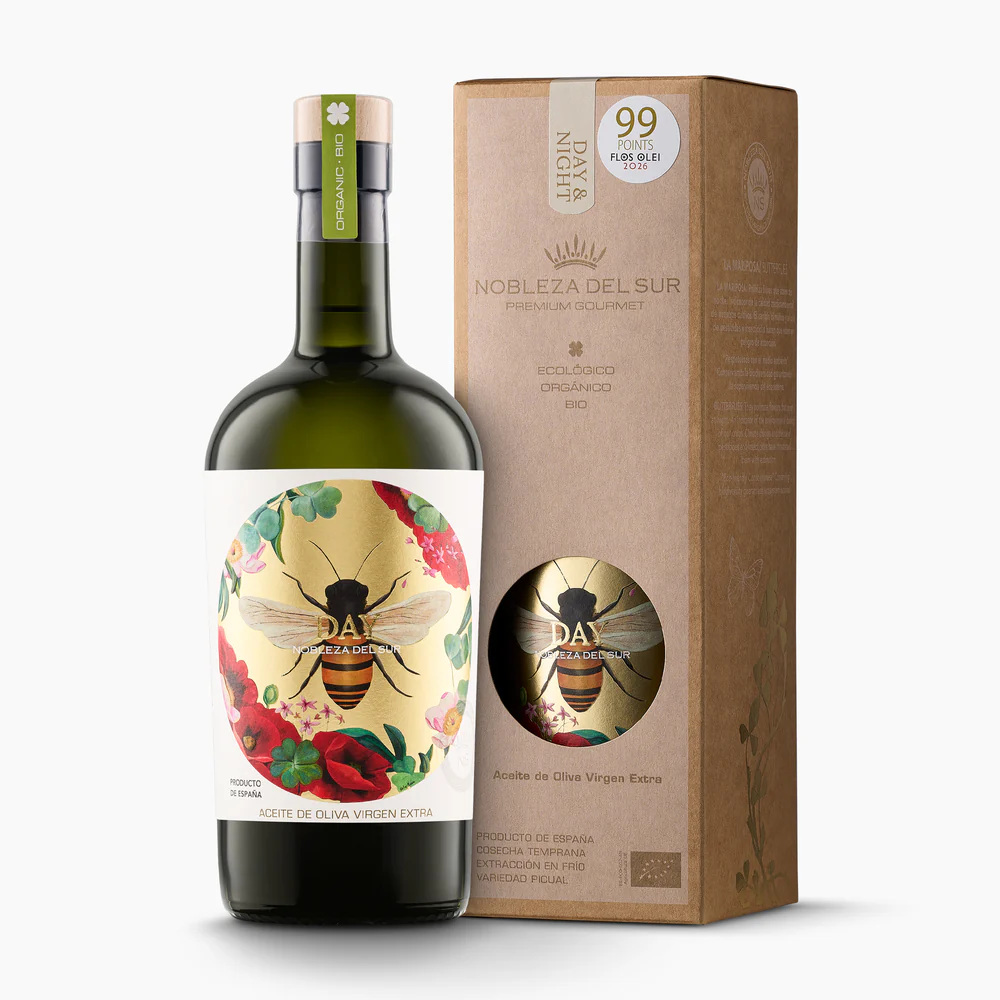
 Organic
Nobleza del Sur
Nobleza del Sur Organic Day w/ Gift Box
Andalusia · 16.9 fl oz (500 ml) glass bottle with gift box
$25.97$39.9535% off5.0out of 5 from 76 reviews
Below 27°C
Cold extracted means the olive paste was malaxed and the oil separated at a temperature below 27°C (80.6°F), the threshold set in EU labeling rules. Warmth increases how much oil a mill can recover from the paste, but it drives off volatile aromas and degrades phenolic compounds, so serious mills accept the lower yield. On a modern continuous line the correct term is cold extracted; cold pressed properly describes the older press-and-mat method, though US labels use the phrases interchangeably.
OrganicNobleza del Sur
Andalusia · 16.9 fl oz (500 ml) glass bottle with gift box
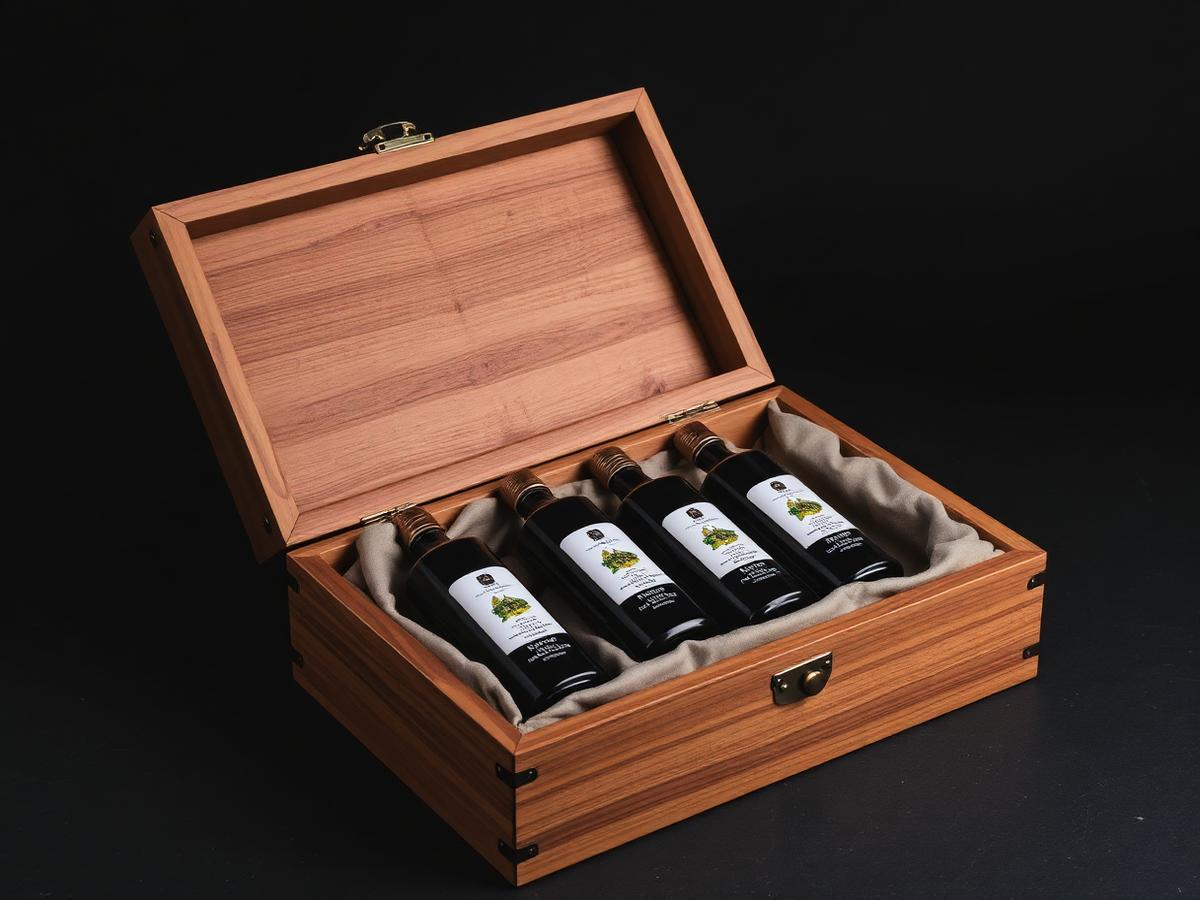 Gift
GiftOlivePrestige Atelier
Four estates, four countries · 4 × 250 ml
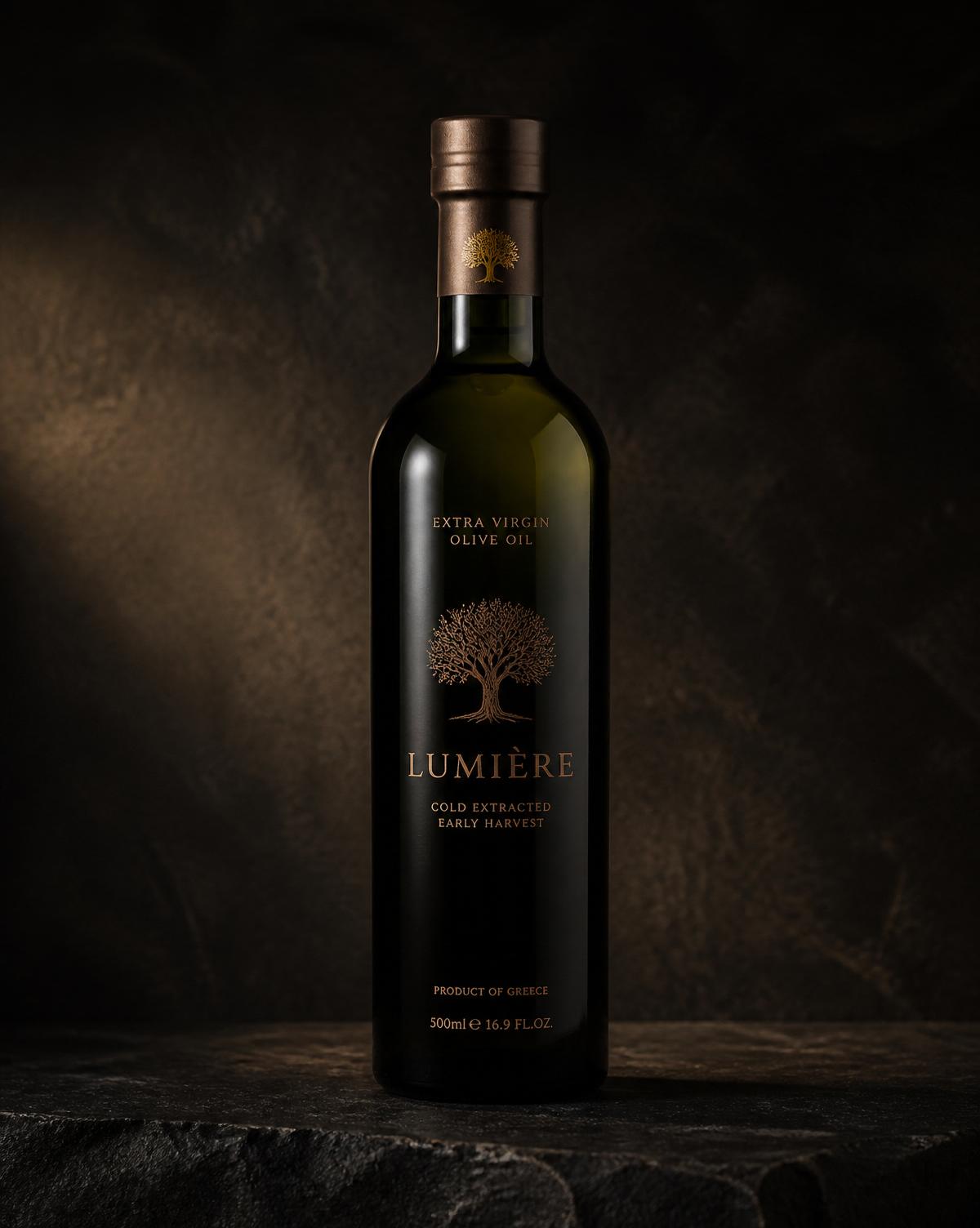 Collector
Domaine Kalliste
Messenia, Peloponnese · 1.5 L in ceramic
Award winnerDomaine Kalliste
Messenia, Peloponnese · 500 ml

Brightland
California Central Coast · 4 x 12.7 fl oz (375 ml) bottles with pour spouts

P.J. KABOS
Peloponnese · 6 × 16.9 fl oz (500 ml) glass bottles

P.J. KABOS
Kalamata, Peloponnese · 6 x 16.9 fl oz (500 ml) glass bottles

Virgeen
Puglia · 16.9 fl oz (500 ml) glass bottle with gift box

The Governor
Corfu, Ionian Islands · 500 ml × 12 bottles
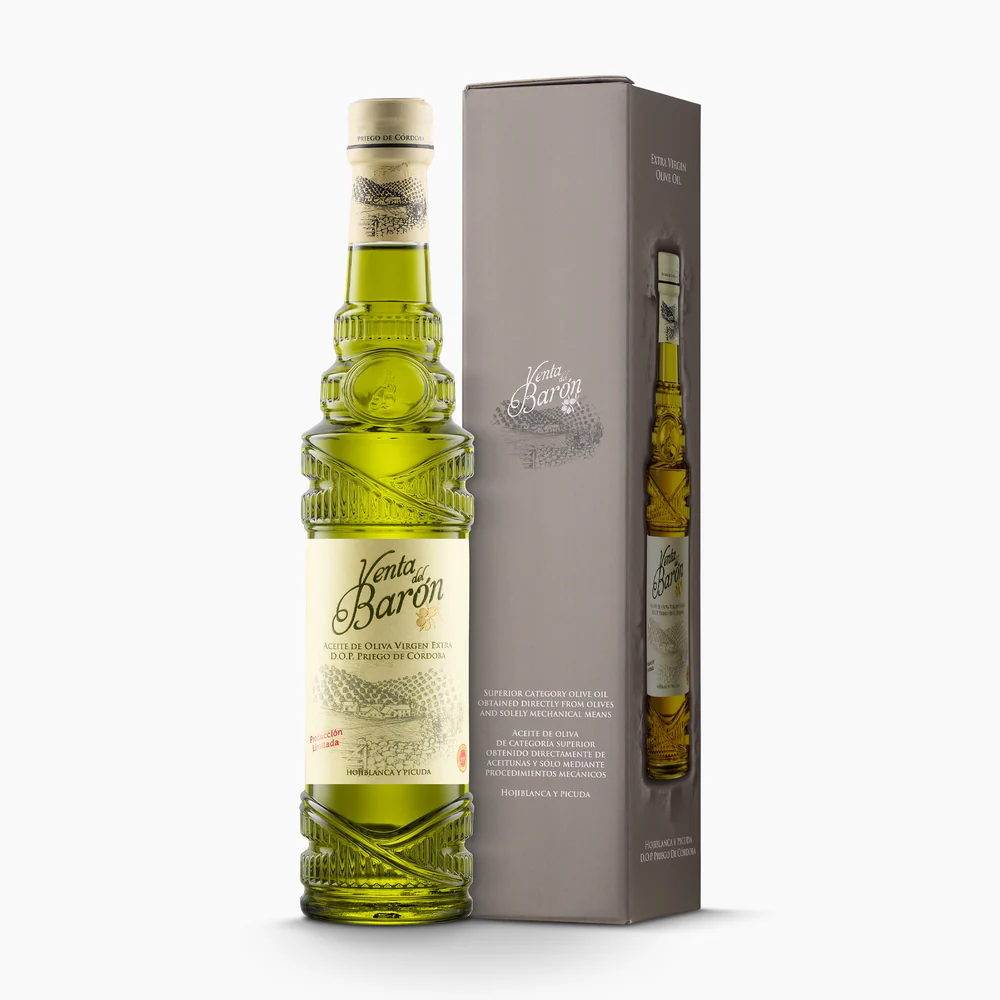 DOP Priego de Córdoba
Venta del Barón
DOP Priego de Córdoba, Andalusia · 16.9 fl oz (500 ml) glass bottle with gift box

The Governor
Corfu, Ionian Islands · 500 ml × 12 bottles

HYPERELEON
Peloponnese · 260 ml (8.8 fl oz) × 6 bottles
Traditional pressing spreads paste on mats and squeezes it under a hydraulic press. Almost all quality oil today is made on a continuous line: hammer mill, malaxer, horizontal decanter. Both can be cold; only the second is what most bottles actually describe.
Neither phrase guarantees quality on its own. Ask when the fruit was picked and how many hours passed before milling.
The harvest letter
One letter a month: tasting notes from our own panel, the estates we are visiting, and first refusal on limited single-tank releases.
No spam. Unsubscribe anytime.